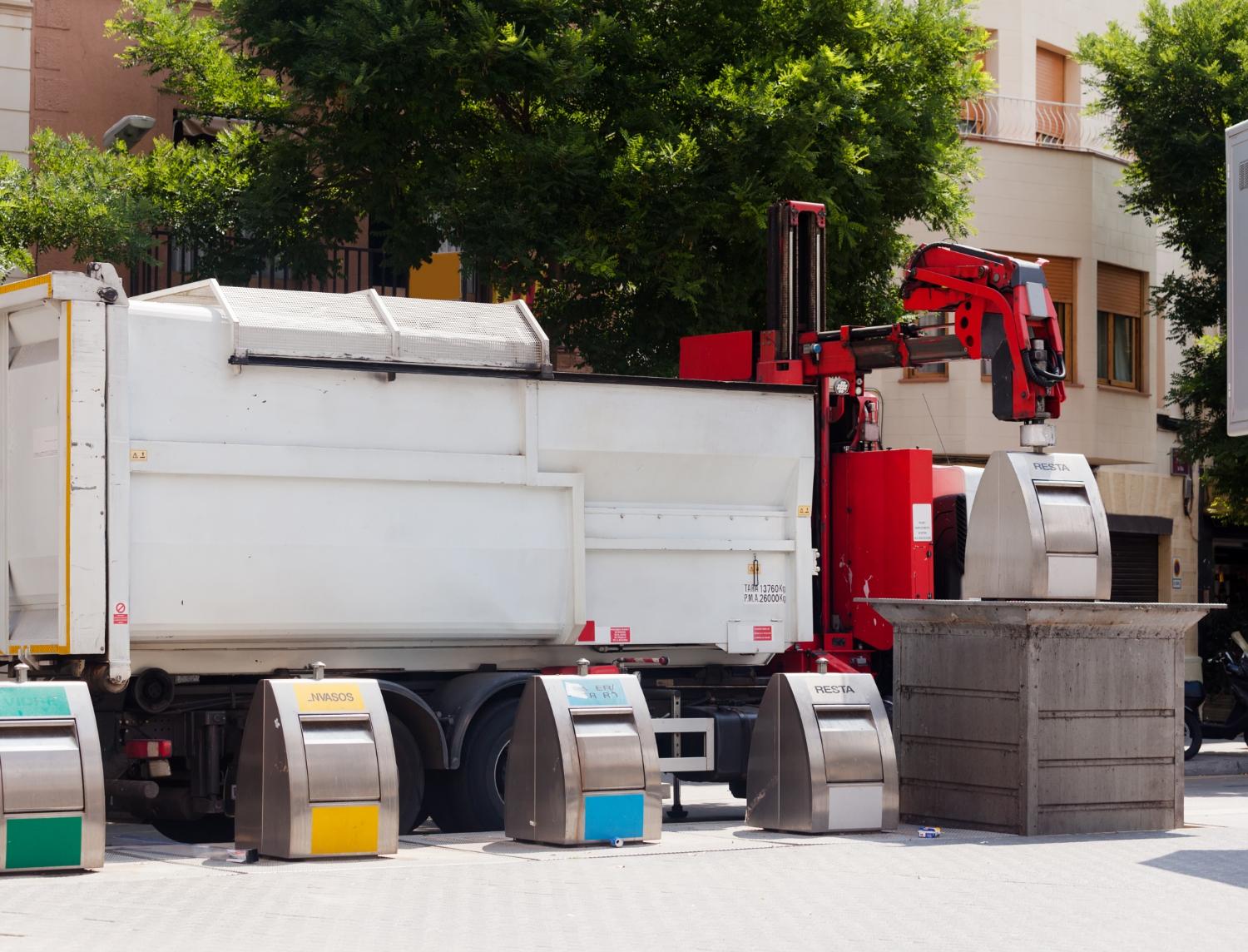

Open your kitchen trash can on a Friday evening, and you may uncover an unexpected collection: leftover food, plastic packaging, a shattered mug, and the remnants of last week's takeout. When you consider this scenario in each home on your street, the significance of waste management becomes evident. Fortunately, effective waste management doesn't require a complete lifestyle change. Whether you are decluttering a single cabinet or engaging a local service like Skip Hire Wythenshawe for a more extensive project, adopting a few practical habits can reduce your waste, save you money, and create a more peaceful home environment. Here is how to begin.
Start With Less Coming In
The simplest waste to control is the waste you don’t generate. Before making a purchase, take a moment to reflect on whether you truly need it, or if you already possess something that serves the same purpose. Small changes can accumulate significantly. Use a reusable shopping bag and water bottle, opt for items with minimal packaging, and buy loose fruits and vegetables whenever feasible. Plan your meals for the week ahead of shopping to resist the allure of promotions that may end up going to waste at the back of the refrigerator. Over the course of a year, these minor choices can result in a substantial reduction in what you throw away.
Sort Your Rubbish the Right Way
Effective sorting is essential for any household waste management routine. Many councils categorise collections into general waste, recycling, garden debris, and sometimes food waste, each with specific guidelines. Spend ten minutes reviewing your local instructions, then hang a simple chart on the inside of a cupboard door. Gently rinse containers, flatten cardboard boxes, and avoid placing greasy pizza boxes and soiled wrappers in the recycling bin. A single contaminated item can ruin an entire batch, so when in doubt, verify instead of assuming. Having clearly labelled bins or baskets in the kitchen makes this task nearly effortless for everyone in the household, including kids.
Turn Food Scraps Into Something Useful
Food represents a significant portion of what families discard, much of which can be prevented. Keep leftovers in transparent containers so that they are more likely to be consumed, freeze bread and meals before they spoil, and utilise vegetable peelings and bones to create stock. For items that cannot be preserved, composting is an excellent alternative. A compost pile in your garden or a small worm bin transforms scraps, tea bags, and eggshells into nutrient-rich soil for your plants. If you don’t have a garden, many regions provide food waste bins, and some community programs accept scraps as well. In any case, preventing food from going into general waste lessens odours and benefits the planet.
Give Things a Second Life
Before discarding any items, consider whether they might benefit someone else. Clothing, books, toys, kitchen items, and functional electronics are often appreciated by charity shops, school events, and community exchange groups. Online marketplaces and local sharing sites facilitate passing on items easily, sometimes for a small fee and sometimes for free. Repairing items is a practice that often doesn't get the attention it deserves. Issues like a loose chair leg, a frayed jacket seam, or an unstable shelf can typically be resolved with simple tools or a quick online guide. This approach not only saves money but also brings a sense of fulfillment from salvaging an item.
Dealing with Large Waste and Major Clean-Ups
Certain tasks are simply beyond the scope of weekly waste pickups: renovations, extensive garden projects, moving homes, or clearing out a relative's place. Storing everything in the hallway only creates additional pressure. For these larger tasks, you have several choices. You can schedule a bulky item collection through the council, transport loads to the closest recycling facility, or rent a skip for the duration of the cleanup. A skip can be useful when dealing with a significant amount of mixed waste and allows you to fill it at your own convenience. Select a size appropriate for the task, verify if you require a permit for roadside placement, and refrain from disposing of forbidden items such as toxic substances or specific electrical items.
Integrate Waste Reduction into Daily Life
Systems function effectively only if they are actively used by individuals. Engage in a conversation with your family or housemates about the disposal process and assign roles, even if it means just taking out the recycling on Thursdays. Kids often become eager participants once they grasp the reasoning behind it. Keep the atmosphere positive instead of rigid. Not everyone will get it right every week, and feelings of guilt are rarely sustainable motivators. Instead, acknowledge minor successes, like a less-full general waste bin or a compost caddy that is full.
Conclusion
Properly managing household waste isn't about achieving perfection. It involves making a series of deliberate decisions: purchasing less, sorting waste properly, composting food scraps, donating usable items, and seeking assistance when faced with a major cleanup. Each of these actions can reduce your expenses, safeguard your local environment, and enhance the comfort of your home. Start with one new habit this week, expand on it over time, and soon you'll find yourself questioning how you ever managed without an organised system in place.
Visit bulgarite for more informative blogs.