The Role of Vehicle Utilization Rates in Long-Term Fleet Maintenance Planning

Having all the trucks well-utilized is crucial for any commercial fleet, but maintaining the trucks all the time without any consideration of maintenance planning will definitely bring costly challenges. Some trucks may travel thousands of miles every week, while other trucks will be mostly idle after completing their jobs. If all the trucks in the fleet are considered equally by the fleet manager, then the fleet maintenance service schedules will not correlate with the actual usage of the trucks. It will eventually result in improper maintenance and even failure of the trucks.
What Is Vehicle Utilization and Why Does It Matter?
Vehicle utilization reflects the usage of a particular truck relative to its potential to operate, either in terms of time or available capacity. Fleet managers can measure their utilization by using mileage, engine hours, operating days, or the number of productive hours.
For instance, a long-haul truck that operates 3,000 miles per week requires different maintenance efforts than a local delivery truck that runs 500 miles within the same timeframe.
Such monitoring allows fleet managers to learn:
-
Which trucks have higher usage rates.
-
Which trucks remain idle for a long time.
-
How soon vehicles need maintenance.
-
If loads are evenly spread out.
-
When additional trucks or replacements are needed.
Utilization statistics will help fleet managers prevent spending money on vehicles that are underutilized.
How High Vehicle Utilization Affects Maintenance Needs
A vehicle that is on the road for extended periods will have more wear and tear on it. This includes tires, brakes, engines, suspension, and other systems being subjected to constant use.
When trucks work through several shifts or travel a great distance, their maintenance needs can be reached earlier than planned.
Some of the systems that can be affected by heavy usage include:
1. Engine and Oil Maintenance
Trucks with higher mileage may get to their oil changes and filter replacements before time. This may lead to problems with the performance of the engines.
2. Tire Wear
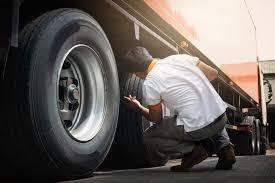
Constant driving, load weight, bad road quality, and wrong tire pressure may increase tire wear. Inspections are necessary in order to spot this kind of uneven tread wear at an early stage.
3. Brake Components
Vehicles that have to make frequent stops in delivery zones may be subjected to quicker brake wear compared to those that drive primarily on highways.
4. Suspension and Steering
Heavy loads and bad road quality may add extra load on suspension and steering components. They must be checked on a regular basis in order to find out the worn-out parts.
The purpose of the fleet management company is to perform maintenance based on actual vehicle use rather than on arising issues.
Why Low Utilization Also Needs Attention
Utilization of vehicles at an extremely high rate is not the only factor to consider. Vehicles that stay stationary for long periods of time may suffer from maintenance issues.
Vehicle batteries may drain of electricity, tires may flatten due to the lack of motion, and moisture may have an effect on vehicle parts.
Low utilization of vehicles also imposes financial burdens on fleet owners, as they have to pay for insurance, registration, and other costs related to owning the vehicle even when it is not earning money for them.
If there are vehicles that are underutilized while others carry much more workload, the allocation of vehicles has to be reconsidered.
Redistributing routes may help address the issue of overloading trucks along with improving the utilization of vehicles.
Using Utilization Data to Build Better Maintenance Schedules
The maintenance schedule should take into account how the truck runs. The usage of the same fixed schedule for all trucks may sometimes not bring optimal performance.
It is important to use various types of maintenance scheduling – based on mileage, engine hours, and time.
Here are some examples of using utilization information:
1. Track Mileage and Engine Hours
Mileage and engine hour data should be collected in order to evaluate the amount of work done by each vehicle. It helps determine which vehicles need servicing faster than others.
For instance, a truck that spends much time idling has many engine hours despite low mileage. This means that mileage is not enough to understand the load of a vehicle.
2. Separate Vehicles by Usage Level
Group trucks according to their operating patterns, such as high-mileage, medium-use, and low-use vehicles.
This makes it easier to assign suitable inspection schedules and identify trucks that need additional attention.
3. Plan Preventive Maintenance in Advance
Utilization records help determine when the vehicles will require their next service. Schedule maintenance during times of reduced activity wherever possible.
It helps reduce the risk of having a truck off the road during the busiest week of deliveries.
4. Review Maintenance Records Regularly
Compare utilization figures with repair history. If a high-mileage truck is experiencing repeated problems, investigate whether its maintenance schedule needs adjustment.
Keeping accurate records also helps managers identify recurring repair costs and plan future maintenance budgets.
Measuring Vehicle Utilization Alongside Maintenance Costs
Utilization numbers are more useful when fleet managers compare them with other operating figures. A truck may have high utilization, but that does not automatically mean it is profitable or operating efficiently.
Consider tracking these basic metrics:
|
Metric |
What It Helps Measure |
|
Miles per vehicle |
Total distance covered over a specific period |
|
Engine hours |
Total time the engine has operated |
|
Maintenance cost per mile |
Repair and maintenance spending compared with mileage |
|
Vehicle downtime |
Time a truck remains unavailable for work |
|
Preventive maintenance compliance |
Whether scheduled services are completed on time |
|
Vehicle availability |
How often vehicles are ready for operation |
For example, if a truck covers more miles than the rest of the fleet but also has significantly higher repair costs, managers should investigate the reasons. The vehicle may need more frequent servicing, better route planning, or a closer inspection of recurring mechanical issues.
These figures help fleet owners make decisions based on actual operating costs instead of assumptions.
How Mobile Maintenance Helps High-Use Fleets
For vehicles that have strict delivery schedules, taking the vehicle to the service shop would mean having it idle further.
This means having the driver go to a facility, do his servicing, and come back before the vehicle is again ready for action.
Mobile maintenance would make truck servicing easier since it will bring maintenance closer to where the vehicles are working.
There are mobile fleet maintenance services offered by Epika Fleet Services that operators can look into.
Planning Long-Term Maintenance and Vehicle Replacement
Utilization data also helps fleet owners decide when to repair, replace, or redistribute vehicles.
A truck that consistently handles heavy workloads may reach important maintenance milestones sooner than a similar vehicle with lower mileage. Managers should review its age, repair history, operating costs, and overall condition before deciding whether to keep it in service.
Similarly, a truck that remains underused may not need immediate replacement. It could be reassigned to another location or used as backup support during busy periods.
Epika Fleet Services provides maintenance support for commercial fleet operators looking to keep vehicles in working condition. Combining regular maintenance with accurate utilization records can help businesses plan repairs more effectively and avoid unnecessary interruptions.
Final Thoughts
Vehicle utilization plays an important role in long-term fleet maintenance planning. Trucks that cover more miles or operate longer hours generally need closer attention, while underused vehicles may require different inspection and maintenance schedules. Tracking mileage, engine hours, repair costs, and downtime gives fleet managers a clearer picture of how their vehicles are performing. With properly planned fleet maintenance services, operators can reduce unexpected breakdowns, control repair expenses, and make better use of their existing vehicles. Epika Fleet Services can support these efforts through mobile maintenance options for commercial fleets. The goal is to keep every truck working efficiently without allowing excessive use or neglected maintenance to hurt the bottom line.