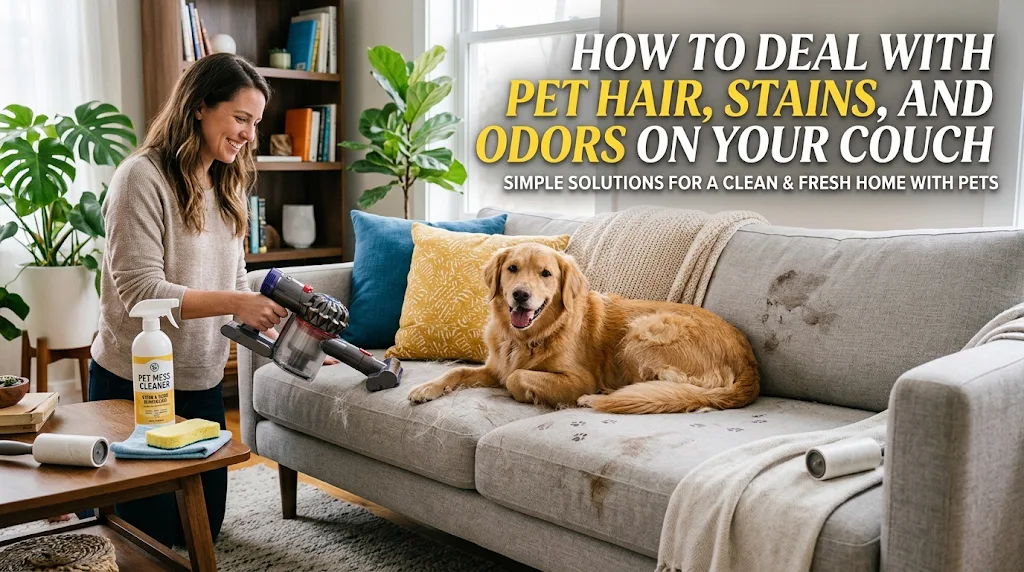

A couch is one of the most frequently used pieces of furniture in any home. It is where families relax, watch television, entertain guests, and spend time with their pets. However, sharing your living space with furry friends can create some cleaning challenges. Pet hair, muddy paw prints, accidental stains, and unpleasant odors can quickly affect the appearance and freshness of your couch.
Keeping your couch clean does not have to be difficult. With the right cleaning techniques and regular maintenance, you can remove pet hair, tackle stubborn stains, and reduce unwanted odors. Professional Couch Cleaners San Diego can also help when everyday cleaning methods are not enough to restore your furniture's freshness. Understanding how to care for different upholstery materials is the first step toward keeping your couch comfortable, clean, and inviting.
Why Pet Hair, Stains, and Odors Build Up on Couches
Pets naturally shed hair, especially during seasonal changes. When they spend time on the couch, loose fur becomes trapped between cushions, along seams, and inside fabric fibers. Some upholstery materials attract pet hair more easily than others, making regular cleaning important.
Stains are another common problem. Pets may bring dirt inside after playing outdoors, leave muddy paw prints, or have occasional accidents. Food spills, saliva, and natural body oils can also contribute to dirty upholstery.
Odors can develop when pet hair, skin oils, moisture, and organic residue accumulate. If pet urine or other liquids penetrate the cushions, unpleasant smells may remain even after the surface appears clean.
The longer these problems go untreated, the harder they can become to manage. A consistent cleaning routine helps prevent buildup and protects the overall condition of your furniture.
How to Remove Pet Hair from Your Couch
Pet hair is often the first thing homeowners notice when their pets regularly use the couch. Fortunately, several simple methods can help remove loose fur without damaging upholstery.
Use a Vacuum Cleaner with Upholstery Attachments
Vacuuming is one of the easiest ways to control pet hair. Use a vacuum cleaner with an upholstery attachment to remove loose fur from the seating area, backrest, armrests, and cushions.
Move the attachment slowly across the fabric to collect as much hair as possible. Pay special attention to seams, corners, and spaces between cushions because these areas often collect hidden fur.
If your vacuum has adjustable suction, choose a suitable setting for your upholstery. Avoid using excessive suction on delicate materials.
Try a Rubber Glove
A slightly damp rubber cleaning glove can help collect pet hair from many fabric couches. Put on the glove and gently move your hand across the upholstery in one direction.
The rubber surface creates friction that helps gather loose hair into small clumps. You can then pick up the collected fur and dispose of it.
Always test this technique on a small, hidden area first. Some delicate fabrics may react differently to moisture or friction.
Use a Lint Roller
A lint roller is a convenient option for removing small amounts of pet hair. Roll it over cushions, armrests, and other accessible areas to pick up loose fur.
It works particularly well for quick touch-ups before guests arrive. However, a lint roller may not reach deeply embedded hair, so combine it with regular vacuuming.
Wash Removable Cushion Covers
If your couch has removable cushion covers, check the manufacturer's cleaning instructions before washing them.
Some covers are machine washable, while others require professional cleaning. Following the care label helps prevent shrinking, fading, or damage to the fabric.
Make sure covers are completely dry before putting them back on the cushions.
Effective Ways to Remove Pet Stains from Couch Upholstery
Pet stains can be frustrating, especially when they leave visible marks or unpleasant smells. The right cleaning approach depends on the type of stain and the upholstery material.
Clean Fresh Stains Immediately
Acting quickly can make stain removal much easier. When you notice a fresh spill or pet accident, use a clean, absorbent cloth to blot the affected area.
Avoid rubbing or scrubbing because this can push the stain deeper into the upholstery fibers. Instead, gently press the cloth against the stain to absorb as much moisture as possible.
Continue using clean sections of the cloth until no more liquid transfers.
Use a Fabric-Safe Cleaning Solution
Choose a cleaning product specifically designed for your couch's upholstery material. Always read the manufacturer's care instructions before applying any cleaning solution.
Test the product on a hidden area first. This helps you check for discoloration, fading, or other unwanted reactions.
Apply the cleaner according to its instructions. Avoid soaking the fabric because excess moisture can reach the cushion filling and create additional problems.
Handle Pet Urine Stains Carefully
Pet urine can be particularly challenging because it may penetrate beyond the surface fabric. Simply wiping the visible area might not remove the residue responsible for lingering odors.
An upholstery-safe enzymatic cleaner may help break down organic residues that contribute to urine odors. Follow the product directions carefully and make sure it is suitable for your couch material.
Never mix different cleaning products. In particular, avoid combining bleach with ammonia-based cleaners because this can produce dangerous fumes.
Remove Mud and Dirt Without Spreading It
Pets often bring mud and outdoor dirt onto furniture. If the mud is still wet, blot away excess moisture without spreading it.
For dried mud, gently loosen the particles with a soft brush or vacuum attachment. Once the loose dirt is removed, use an appropriate upholstery cleaner to address any remaining marks.
Avoid aggressive scrubbing, as this may damage the fabric or push dirt further into the fibers.
How to Get Rid of Pet Odors from Your Couch
Even when a couch looks clean, unpleasant odors can remain trapped inside its upholstery. Removing the source of the smell is more effective than simply covering it with fragrances.
Identify Where the Odor Is Coming From
Start by checking the cushions, seams, and areas where your pets spend the most time.
Look for signs of urine, dampness, food residue, or accumulated pet hair. If the smell is coming from inside the cushions, surface cleaning alone may not solve the problem.
Identifying the source helps you choose the right cleaning method.
Use Baking Soda Carefully
Baking soda is commonly used to absorb mild odors. For suitable fabric upholstery, you can lightly sprinkle a small amount over the dry surface.
Allow it to sit for a short period, following the upholstery manufacturer's recommendations, and vacuum it thoroughly.
However, baking soda is not suitable for every material. Avoid using it on delicate fabrics or surfaces where powder could become trapped. Test a hidden area first, and never use it as a substitute for removing urine or other organic residue.
Allow Your Couch to Dry Completely
Moisture trapped inside upholstery can contribute to musty smells and other problems.
After cleaning, allow the couch to dry completely before using it again. Improve air circulation by opening windows or using a fan when appropriate.
Avoid sitting on damp cushions or covering them with blankets before they are fully dry.
Avoid Masking Odors with Strong Fragrances
Air fresheners and heavily scented sprays may temporarily cover unpleasant smells, but they do not remove the underlying source.
Some fragrances can also irritate pets or leave residue on upholstery. Choose pet-safe products and focus on proper cleaning rather than simply adding another scent.
Different Couch Materials Require Different Cleaning Methods
Not every couch can be cleaned in the same way. The upholstery material determines which products and techniques are safe to use.
Fabric Couches
Fabric couches can collect pet hair, dirt, and liquids within their fibers. Regular vacuuming helps prevent buildup, while upholstery-safe cleaners can address stains.
Always check the cleaning code on the furniture label:
- W: Water-based cleaning products may be suitable.
- S: Solvent-based upholstery cleaners are generally recommended.
- WS: Water-based or solvent-based products may be suitable.
- X: Vacuuming or professional cleaning is generally recommended.
These codes provide useful guidance, but always follow the manufacturer's specific instructions.
Leather Couches
Leather couches are generally easier to wipe down than many fabric sofas, but they still require proper care. Pet claws can scratch the surface, while body oils and dirt can gradually affect its appearance.
Use a soft, dry cloth to remove loose hair and dust. For spills, follow the leather manufacturer's cleaning recommendations and use products specifically formulated for leather.
Avoid household detergents, excessive water, and harsh chemicals. These can dry out or damage the leather finish.
Microfiber Couches
Microfiber upholstery is popular because of its soft texture and practical everyday use. However, pet hair and dirt can still collect on its surface.
Vacuum regularly using a suitable upholstery attachment. A soft brush can help loosen embedded hair without excessive friction.
Check the manufacturer's cleaning instructions before using water or cleaning products, as microfiber materials can have different care requirements.
Daily Habits That Help Keep Your Couch Clean
Preventing pet-related messes is often easier than dealing with them after they become noticeable. A few simple habits can make a significant difference.
Brush Your Pets Regularly
Regular grooming helps remove loose fur before it reaches your furniture. Choose a brush suitable for your pet's coat type and grooming needs.
Pay extra attention during seasonal shedding periods when pets may lose more hair than usual.
Use Washable Couch Covers
A washable couch cover provides an extra layer of protection against fur, dirt, and accidental spills.
Choose a cover that fits properly and is easy to remove. Wash it regularly according to its care instructions to prevent odors and dirt from building up.
Keep Your Pet's Paws Clean
Wiping your pet's paws after outdoor activities can reduce the amount of dirt and mud transferred onto your couch.
Keep a clean towel near the entrance so you can quickly remove dirt before your pet settles on the furniture.
Create a Regular Cleaning Schedule
A consistent routine helps prevent pet hair and dirt from accumulating.
Consider these simple cleaning habits:
- Vacuum your couch several times a week, depending on shedding.
- Remove visible pet hair whenever necessary.
- Clean fresh spills and accidents immediately.
- Wash removable covers according to their care labels.
- Inspect cushions regularly for hidden stains and odors.
- Schedule deeper upholstery cleaning when needed.
These small steps can help maintain a cleaner living environment without requiring extensive cleaning every day.
When Should You Consider Professional Couch Cleaning?
Regular home maintenance can handle many everyday messes, but some problems require more specialized attention.
Professional couch cleaning may be helpful when:
- Pet hair remains deeply embedded in upholstery.
- Stains do not respond to appropriate home cleaning methods.
- Pet urine odors return after surface cleaning.
- Cushions have absorbed moisture or unpleasant smells.
- Your couch has delicate upholstery that requires special care.
- Your furniture needs a more thorough cleaning than routine maintenance provides.
Professional cleaners can assess the upholstery material and choose suitable cleaning methods. Depending on the fabric and condition of the couch, they may use specialized equipment and cleaning solutions to address embedded dirt, stains, and odors.
Before arranging a cleaning service, explain the type of upholstery and any pet-related problems. Mentioning previous cleaning attempts is also helpful because it allows the cleaning professional to understand what products may already be present.
Common Mistakes to Avoid When Cleaning a Couch
Even well-intentioned cleaning efforts can cause damage if the wrong techniques are used.
Here are some mistakes worth avoiding:
Scrubbing stains aggressively: Hard scrubbing can damage upholstery fibers and spread stains across a larger area. Blot gently instead.
Using too much water: Excessive moisture can penetrate cushions and make drying difficult. Use only the amount recommended for your upholstery.
Applying random household cleaners: Products designed for kitchen surfaces or floors may discolor or damage couch materials.
Ignoring cleaning instructions: Always check the furniture care label before trying a new product or technique.
Leaving stains untreated: Delaying cleanup allows dirt and organic residue to settle deeper into upholstery.
Using strong fragrances to hide odors: Covering up a smell does not remove the source. Address the affected area properly.
Avoiding these mistakes can protect your furniture and make routine cleaning more effective.
Conclusion
Keeping your couch free from pet hair, stains, and odors requires regular attention and the right cleaning approach. Vacuuming, removing loose fur, treating fresh stains, and maintaining good drying habits can make a noticeable difference. It is also important to choose cleaning products based on your upholstery material rather than using the same method for every couch.
While everyday maintenance helps control common messes, stubborn stains, deeply embedded pet hair, and persistent odors may require professional attention. If your couch needs a more thorough refresh, Coastal Carpet Care can help you explore professional upholstery cleaning solutions. With consistent care and suitable cleaning methods, you can enjoy a fresher, more comfortable couch while keeping your home welcoming for both family members and pets.