


How to Find the Right Patagonia Travel Packages From India?
Introduction
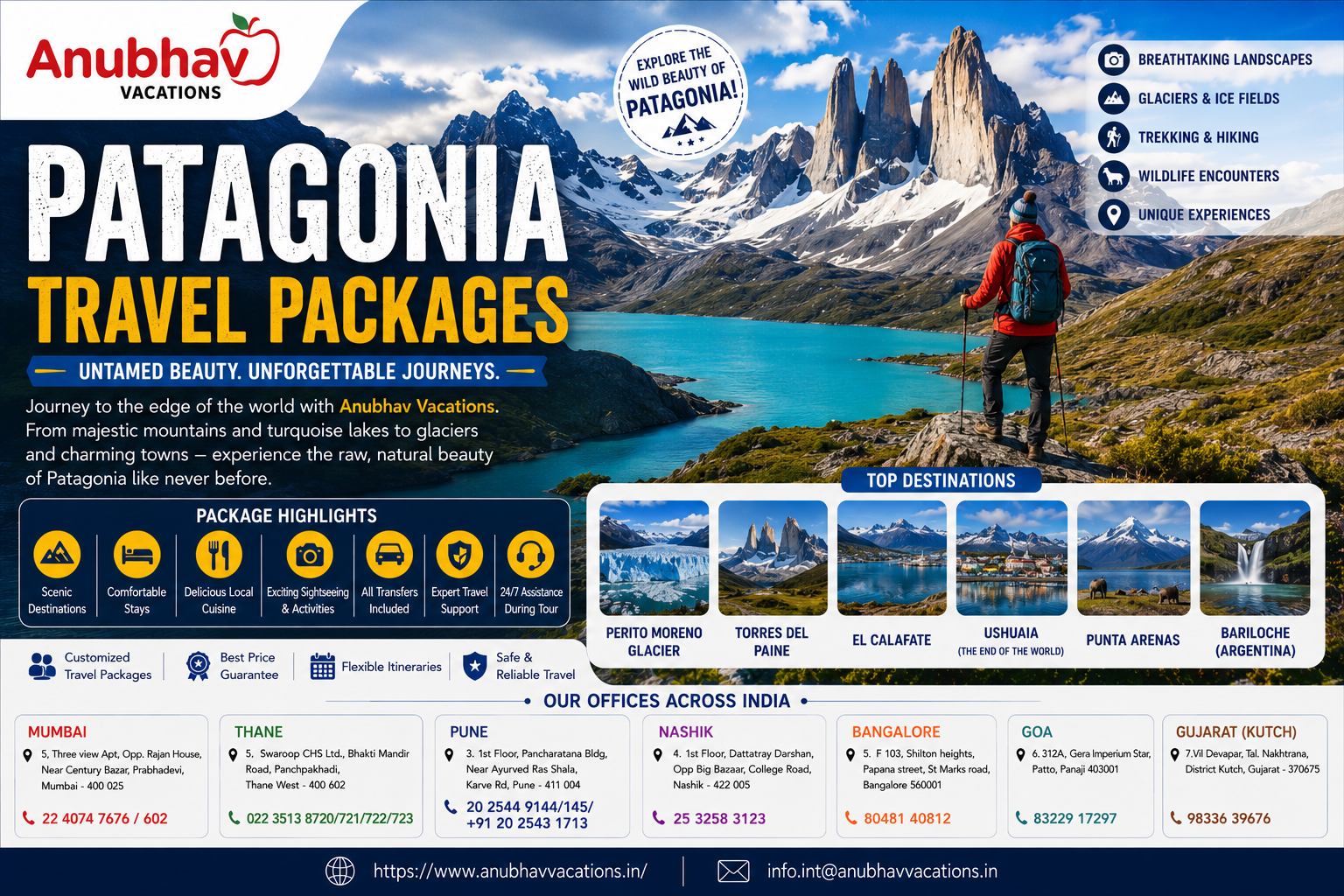
Patagonia is one of the most spectacular regions of South America, known for its towering mountains, enormous glaciers, turquoise lakes, and vast wilderness. Shared by Argentina and Chile, this remarkable destination offers experiences ranging from scenic boat journeys and wildlife encounters to challenging mountain treks and peaceful countryside escapes. For travelers from India, planning a trip to Patagonia requires careful consideration of international connections, regional transport, seasonal conditions, and the time needed to explore its remote landscapes.
Choosing the right Patagonia Travel Packages From India begins with understanding what you want from the journey. Some travelers dream of seeing the famous Perito Moreno Glacier, while others want to hike beneath Mount Fitz Roy, explore Torres del Paine National Park, or enjoy the natural beauty of Patagonia at a relaxed pace. A well-planned holiday should balance these interests with realistic travel arrangements, allowing you to experience the region without unnecessary rushing.
1. Decide Which Part of Patagonia You Want to Explore
One of the first decisions is whether to focus on Argentine Patagonia, Chilean Patagonia, or a combination of both. Although the two regions share dramatic landscapes, each offers distinctive experiences.
Argentine Patagonia is popular for destinations such as El Calafate, El Chaltén, and Bariloche. El Calafate provides access to the famous Perito Moreno Glacier, while El Chaltén attracts hikers with trails and spectacular views of Mount Fitz Roy. Bariloche is known for its lakes, forests, and mountain scenery.
Chilean Patagonia offers remarkable wilderness experiences, particularly around Torres del Paine National Park. Visitors can discover granite peaks, glacial lakes, expansive valleys, and trails through varied terrain.
Combining both countries can create a diverse journey, but cross-border travel requires additional planning. Distances are considerable, and some transfers may take much longer than expected. If you have limited time, concentrating on one region may provide a more comfortable experience. Travellers with two weeks or more can consider combining selected destinations on both sides, depending on transport connections and seasonal availability.
2. Choose the Best Season for Your Travel Goals
Patagonia lies in the Southern Hemisphere, so its seasons are opposite to those in India. The timing of your visit can influence everything from trekking conditions to daylight hours and the availability of excursions.
Spring and summer, broadly from October to March, are popular for exploring Patagonia's landscapes. December through February generally offers long daylight hours and access to many outdoor activities, although popular destinations can be busy. November and March can appeal to travellers seeking a balance between outdoor access and fewer crowds.
Autumn brings colourful foliage to certain areas, creating beautiful photography opportunities. Winter offers snowy scenery and selected cold-weather experiences, but many remote trekking routes, lodges, and transport services operate on reduced schedules or close seasonally.
Weather can change quickly in Patagonia, and strong winds are common. Before confirming your dates, check the conditions expected in each destination and verify whether your preferred activities will be operating. Keeping some flexibility in the schedule can help you adjust if weather affects a planned excursion.
3. Match the Itinerary to Your Travel Style
The most suitable holiday is not necessarily the one that includes the greatest number of destinations. It is the one that gives you enough time to enjoy the experiences that matter most.
If you love adventure, you may want to prioritise hiking trails around El Chaltén or excursions in Torres del Paine. Nature enthusiasts might prefer a combination of glaciers, lakes, wildlife viewing, and scenic drives. Travellers seeking relaxation can choose comfortable accommodation near beautiful landscapes, with gentle walks and guided excursions rather than demanding outdoor activities.
Photography enthusiasts may appreciate extra time at viewpoints, lakeshores, and mountain locations, particularly when changing weather creates dramatic light. Couples and families may prefer a more balanced schedule with manageable travel days and opportunities to enjoy local dining and peaceful surroundings.
Before booking, consider your fitness level, preferred accommodation style, and willingness to spend time on buses or regional flights. A thoughtfully paced route can make the experience more rewarding than a packed schedule with frequent hotel changes.
4. Include Patagonia's Most Memorable Natural Attractions
Patagonia's appeal comes from its extraordinary variety of natural wonders. Selecting a few key attractions can help you build a meaningful itinerary.
The Perito Moreno Glacier near El Calafate is one of the region's best-known highlights. Visitors can admire its immense ice formations from designated walkways or join suitable guided excursions when available.
Mount Fitz Roy, near El Chaltén, draws hikers and photographers with its dramatic granite peaks. There are different trails in the area, ranging from shorter walks to demanding full-day hikes, so choose according to your experience and the prevailing conditions.
Torres del Paine National Park in Chile is celebrated for its mountain towers, lakes, glaciers, and wildlife. Depending on your interests, you can explore selected viewpoints, take guided walks, or plan a longer trekking experience.
Wildlife enthusiasts may also enjoy opportunities to observe penguins, guanacos, sea lions, and other animals in appropriate locations and seasons. Wildlife sightings are never guaranteed, so guided experiences should be approached with realistic expectations and respect for natural habitats.
5. Plan International and Regional Transport Carefully
Reaching Patagonia from India involves more planning than travelling to a destination with a single major international airport. Travellers commonly connect through major South American gateways such as Buenos Aires or Santiago before continuing to regional destinations.
The best route depends on which side of Patagonia you intend to visit first. Regional flights can save time over long distances, while buses and road transfers may be useful for connecting nearby towns or reaching particular attractions.
When comparing Patagonian glacier excursions, check the departure point, transfer duration, operating season, and time required to reach the activity. These details matter because a seemingly short distance on a map may involve a lengthy journey.
Avoid scheduling important excursions immediately after a long international flight. Allow time to rest, recover from the journey, and manage possible delays. If your route crosses between Argentina and Chile, confirm border procedures, transport schedules, and luggage requirements before departure.
6. Review Accommodation and Activity Arrangements
Accommodation choices can shape the overall character of your Patagonia holiday. Larger towns often provide a range of hotels and guesthouses, while remote areas may have fewer options and limited availability during busy travel periods.
Staying in a town such as El Calafate or Puerto Natales can provide a practical base for selected excursions. In other locations, accommodation closer to a national park may reduce daily travel time and allow you to enjoy the surrounding scenery.
Consider your comfort preferences, accessibility needs, meal arrangements, and the distance between your accommodation and planned activities. If you want to complete a popular multi-day trek, research the relevant accommodation, campsite, or mountain-hut booking requirements well in advance.
It is also worth checking whether guided activities require advance reservations, special equipment, minimum fitness levels, or weather-dependent confirmation. Understanding these details beforehand can help you prepare appropriately and avoid disappointment.
7. Prepare for Patagonia's Changing Weather
Patagonia's weather can be unpredictable, even during the main travel season. A sunny morning may give way to rain, cold temperatures, or strong winds later in the day.
Packing versatile clothing is therefore essential. Lightweight layers, a warm insulating jacket, waterproof outerwear, comfortable walking shoes, and protection from wind can make outdoor activities more comfortable. Travellers planning longer hikes should also bring suitable daypacks, water, snacks, and any equipment recommended by their guides.
Do not assume that summer conditions will always be warm or that every trail will remain open. Follow local guidance, check forecasts before outdoor excursions, and respect closures or safety instructions.
A flexible itinerary is especially valuable in remote destinations. Allowing spare time between major activities can reduce the pressure to continue when conditions are unsuitable.
8. Understand Travel Documentation and Insurance
For travellers departing from India, documentation should be an important part of the planning process. Entry requirements depend on nationality, passport details, the countries visited, and the transit route.
Check the latest official visa and entry guidance for Argentina, Chile, and any country where you may transit. Make sure your passport meets the applicable validity requirements and keep copies of your travel documents and booking confirmations.
Travel insurance is also worth reviewing carefully. Look for coverage appropriate to your planned activities, including medical assistance, emergency transport, trip interruption, and trekking or adventure activities where relevant. Standard policies may exclude certain activities or conditions, so read the policy wording before purchasing cover.
It is also sensible to keep some flexibility in flight connections and regional transfers. Patagonia's remoteness makes preparation particularly important when weather or transport disruptions affect the schedule.
9. Compare Packages Beyond the Number of Destinations
When comparing holiday options, look beyond the list of places included. Two packages may feature the same attractions but provide very different experiences because of travel time, accommodation location, group size, and the amount of free time available.
Review the day-by-day itinerary to understand how much time is spent travelling and how much is reserved for sightseeing. Check whether excursions, transfers, accommodation, meals, and entry fees are included or charged separately.
Consider the balance between guided activities and independent exploration. Some travellers appreciate having most arrangements organised in advance, while others prefer greater freedom to change their plans.
The most suitable option should fit your priorities, available time, comfort preferences, and practical requirements. Clear information about inclusions and exclusions can help you make an informed decision before committing to a booking.
Conclusion
Choosing the right Patagonia Travel Packages From India involves more than selecting a list of famous attractions. The right plan considers the season, the regions you want to explore, your preferred activities, transport connections, accommodation, and the time needed to enjoy each destination.
Whether your ideal holiday involves glacier views, mountain trekking, wildlife encounters, or relaxed days surrounded by spectacular scenery, thoughtful planning can make the journey smoother and more rewarding. Compare itineraries carefully, prepare for changing weather, and allow enough time between destinations. With realistic expectations and a route suited to your interests, Patagonia can offer an unforgettable South American adventure.
FAQs
1. How much time should I plan for a Patagonia holiday?
Around 10 days can work for exploring one part of Patagonia, while approximately two weeks or more may be suitable for combining selected destinations in Argentina and Chile. The ideal duration depends on transport connections and your planned activities.
2. What is the best time to visit Patagonia?
October through April is generally the main travel season for many classic outdoor experiences. December to February is popular for long daylight hours, while November and March may offer a balance of activity access and fewer crowds. Conditions vary by region.
3. Can I visit both Argentine and Chilean Patagonia on one trip?
Yes. A combined journey can offer a wider variety of landscapes, but it requires careful planning for cross-border transfers, regional transport, and accommodation. The available time should determine how many destinations you include.
4. Is Patagonia suitable for travelers who do not enjoy strenuous trekking?
Yes. Visitors can enjoy glacier viewpoints, scenic drives, boat trips, wildlife excursions, and shorter walks. Choose activities based on your comfort level and check the physical requirements of each excursion before booking.
5. What should I pack for Patagonia?
Pack layers, a warm jacket, waterproof and wind-resistant outerwear, comfortable walking shoes, and clothing suitable for the season. For longer outdoor activities, follow the equipment guidance provided by local operators .
Read Our Previous Blog-----------> Which Norway Vacation Packages Suit Your Travel Style?
eSIMcho | Global eSIM & No Roaming

 Български
 English