


Why Are Patagonia Tours Popular With Nature Lovers?
Introduction
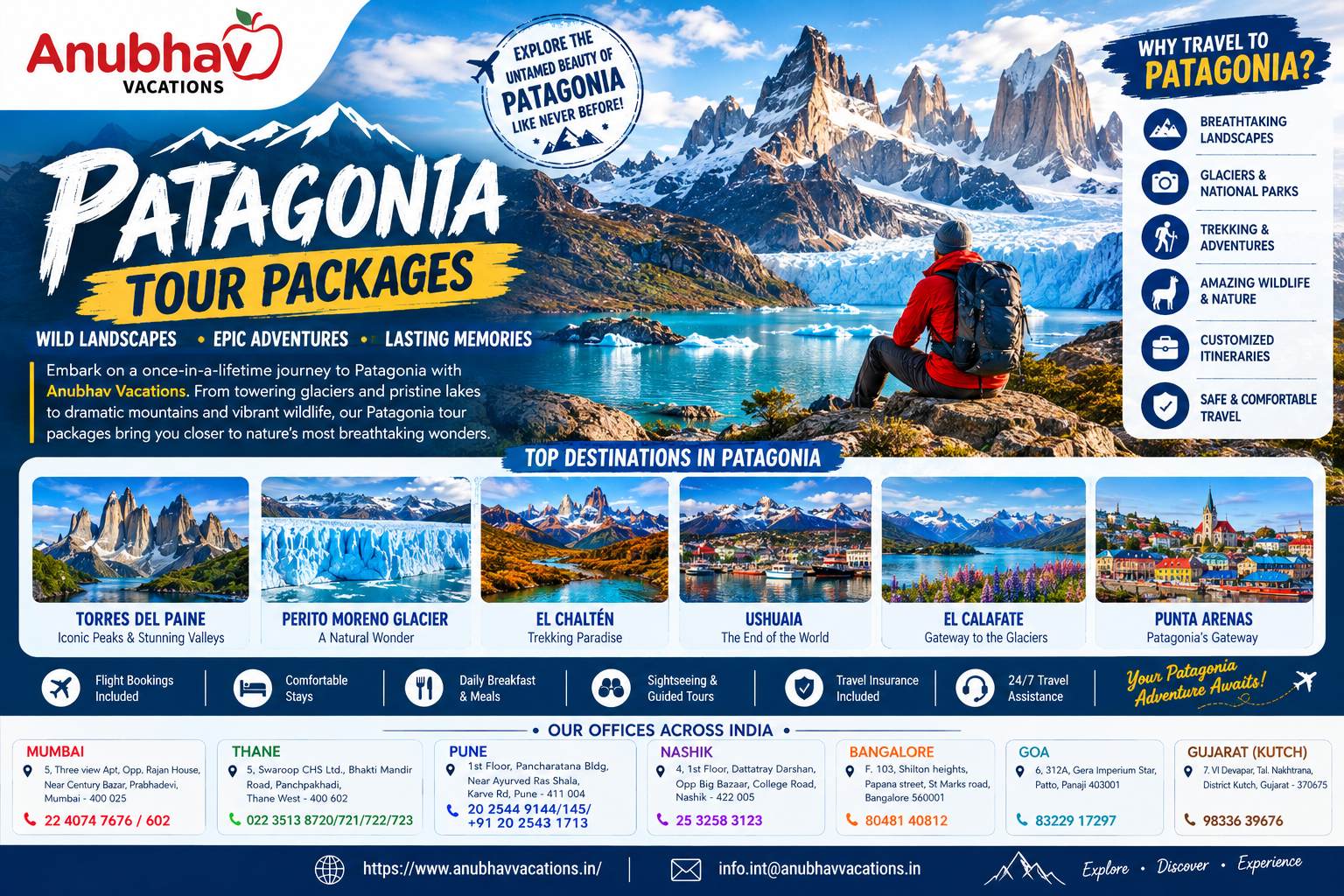
Nature lovers are always searching for destinations where they can experience breathtaking scenery, discover fascinating wildlife, and spend meaningful time in the outdoors. Patagonia, a vast region shared by Argentina and Chile in southern South America, offers all these experiences through its dramatic mountains, enormous glaciers, turquoise lakes, native forests, and expansive grasslands. Its extraordinary landscapes make it an appealing destination for travelers seeking a deeper connection with nature.
From admiring the famous Perito Moreno Glacier to exploring the mountain scenery of Torres del Paine National Park, Patagonia offers opportunities for sightseeing, trekking, wildlife observation, and photography. Patagonia Tours can help travelers discover these natural wonders through a planned journey that combines scenic destinations with opportunities for outdoor exploration.
Understanding what makes Patagonia special can help nature enthusiasts decide which experiences suit their interests and how to prepare for a memorable adventure.
1. Explore Dramatic Mountain Landscapes
Patagonia is renowned for its spectacular mountain scenery. Towering peaks, rugged rock formations, deep valleys, and wide-open horizons create landscapes that are particularly appealing to travelers who enjoy exploring the natural world.
One of the region's most recognizable landmarks is Mount Fitz Roy near El Chaltén in Argentina. Its distinctive peaks attract hikers, landscape photographers, and visitors who appreciate dramatic mountain views. On the Chilean side, Torres del Paine National Park is famous for its granite towers, glacial lakes, and striking scenery.
Travelers can admire these landscapes from designated viewpoints, take scenic drives, or explore trails suited to their physical abilities. Some routes involve challenging terrain, while others provide rewarding views through shorter walks.
The variety of landscapes means visitors can appreciate Patagonia without necessarily undertaking demanding hikes. Choosing experiences that match your fitness level allows you to enjoy the scenery comfortably while making the most of your time outdoors.
2. Witness the Beauty of Ancient Glaciers
Glaciers are among Patagonia's most remarkable natural attractions. These immense bodies of ice create spectacular visual contrasts against surrounding mountains, forests, and lakes.
The Perito Moreno Glacier, located in Los Glaciares National Park in Argentina, is particularly popular with visitors. Its enormous ice walls can be viewed from designated walkways, providing opportunities to appreciate the glacier's scale and observe changes in the ice.
Other glaciers in the region, including Upsala and Spegazzini, offer additional opportunities to experience Patagonia's glacial landscapes. Depending on the selected excursion, visitors may admire them from boats or explore surrounding areas through guided activities.
Glacier experiences appeal to nature lovers because they reveal the remarkable geological processes that shape the region. Watching ice formations, listening to the sounds of moving ice, and observing the surrounding environment can make a visit especially memorable.
Travelers should check local conditions and activity requirements before participating in glacier walks or other specialized excursions.
3. Discover Diverse Wildlife
Patagonia's varied environments support a fascinating range of wildlife. Mountains, grasslands, forests, wetlands, and coastal habitats create opportunities to observe different species across the region.
Depending on the destination and season, visitors may encounter guanacos, Andean condors, foxes, penguins, and sea lions. Coastal areas can offer opportunities to observe marine wildlife, while national parks provide habitats for animals and birds adapted to the region's distinctive conditions.
Wildlife observation can be particularly rewarding for photographers and travelers who prefer slower, nature-focused experiences. Rather than rushing between attractions, visitors can spend time watching animals, studying their surroundings, and appreciating the ecological diversity of Patagonia.
Responsible observation is essential. Maintaining suitable distances, following local guidance, and avoiding disturbance help protect wildlife and their habitats.
Nature lovers should also remember that sightings cannot be guaranteed. The species visible during a visit depend on seasonal patterns, weather, location, and natural animal behavior.
4. Experience Pristine Lakes and Rivers
Patagonia's lakes and rivers contribute significantly to its natural beauty. Their clear waters reflect surrounding mountains, creating picturesque settings that attract photographers, outdoor enthusiasts, and travelers seeking peaceful landscapes.
Lake Argentino near El Calafate is an important destination for visitors exploring nearby glaciers. In other areas, lakes such as Nahuel Huapi provide opportunities for scenic boat journeys, kayaking, and lakeside exploration.
Water-based activities offer a different perspective on Patagonia's scenery. A boat excursion can reveal mountain formations and remote viewpoints that may be difficult to appreciate from the road, while kayaking allows travelers to experience selected waterways more actively when conditions permit.
Not every visitor needs to participate in adventure sports to enjoy these landscapes. Lakeside walks, observation points, and relaxed sightseeing stops can be equally rewarding.
When choosing activities, consider weather conditions, safety guidance, and the physical requirements of each excursion. These considerations help ensure that time around Patagonia's lakes and rivers remains enjoyable and responsible.
5. Explore National Parks and Protected Areas
National parks are central to Patagonia's appeal among nature enthusiasts. They protect important ecosystems while providing opportunities to experience landscapes, wildlife, and outdoor activities in carefully managed natural environments.
Los Glaciares National Park in Argentina is known for its glaciers and mountain scenery, while Torres del Paine National Park in Chile attracts visitors with its distinctive peaks, lakes, and hiking routes. Other protected areas offer forests, coastal habitats, and opportunities for birdwatching.
These parks allow travelers to explore different aspects of Patagonia's environment. Some visitors focus on mountain trails, while others prefer scenic viewpoints, wildlife observation, or guided nature walks.
Before visiting a park, check its current access conditions, trail guidance, and activity regulations. Weather can affect outdoor plans, and certain excursions may require advance arrangements.
Following designated routes, respecting wildlife, and carrying away waste help preserve these landscapes for future generations. Responsible travel allows nature lovers to enjoy Patagonia while contributing to the protection of its natural heritage.
6. Enjoy Spectacular Photography Opportunities
Patagonia is a rewarding destination for anyone interested in landscape and wildlife photography. Its dramatic mountains, glacial formations, lakes, forests, and changing skies provide a wide variety of subjects throughout the journey.
Photographers can capture the distinctive peaks around Mount Fitz Roy, the enormous ice walls of Perito Moreno Glacier, or the reflections of mountains across calm lakes. Wildlife encounters can also provide opportunities for meaningful photographs when animals are observed responsibly.
Changing weather can transform the appearance of a landscape within a short period. Clouds, sunlight, mist, and shadows may create different moods, making patience an important part of photography in Patagonia.
Travelers do not need professional equipment to appreciate these opportunities. A camera or smartphone, suitable clothing, and enough time at scenic locations can help visitors record memorable moments.
When reviewing an itinerary, look for opportunities to pause at viewpoints and explore natural attractions without being rushed. Allowing time to appreciate each setting can make the experience more rewarding for photographers and casual visitors alike.
7. Experience Outdoor Adventures at Different Activity Levels
Patagonia attracts adventure enthusiasts because it offers outdoor experiences for a range of abilities and interests. Hiking, trekking, kayaking, horseback riding, and scenic boat trips are among the activities available in different parts of the region.
Travelers seeking a physical challenge may prefer longer hikes through mountainous terrain. Those who enjoy gentler exploration can choose shorter nature walks, guided sightseeing, or boat excursions.
The key is selecting activities that suit your fitness level and expectations. Some trails involve steep climbs, uneven surfaces, or extended walking times, while other experiences require comparatively little physical effort.
Before departure, review the activity descriptions and consider the clothing, footwear, and equipment required. Patagonia's weather can change quickly, so layered clothing and weather-resistant outerwear are useful for many outdoor experiences.
A balanced itinerary should also include time for rest. Combining active excursions with quieter sightseeing opportunities helps travelers appreciate the destination without becoming overwhelmed by a demanding schedule.
8. Discover the Region's Unique Climate and Seasons
Patagonia's climate is an important part of its character. Conditions vary considerably across the region, and temperatures, wind, rainfall, and daylight hours can differ between destinations and seasons.
Spring and summer generally provide longer daylight hours and favorable opportunities for many hiking routes, scenic excursions, and outdoor activities. Autumn can bring attractive seasonal colors to some areas, while winter offers a different atmosphere with colder conditions and possible snow in certain locations.
Nature lovers should choose their travel dates according to the experiences they value most. Travelers interested in trekking should check trail accessibility, while those prioritizing glacier sightseeing or wildlife observation should review the activities available during their intended visit.
Packing appropriate clothing is essential because conditions may change throughout the day. Comfortable footwear, layers, sun protection, and waterproof outerwear can help visitors prepare for different environments.
Remaining flexible is equally important. Weather-related changes may affect certain excursions, so having alternative sightseeing options can make the overall journey more comfortable.
9. Appreciate the Peace and Open Spaces
One of Patagonia's greatest attractions is its sense of space. Vast grasslands, remote mountain valleys, quiet lakeshores, and expansive skies create an environment that feels very different from crowded urban destinations.
For many travelers, nature exploration is not only about visiting famous landmarks. It is also about slowing down, observing the surroundings, and enjoying time away from everyday routines.
A quiet walk beside a lake, a scenic drive through open countryside, or a relaxed stop at a mountain viewpoint can become a memorable part of the journey.
These experiences are particularly appealing to travelers who value outdoor recreation, landscape photography, and peaceful surroundings. They also demonstrate why a well-paced itinerary can be more rewarding than one focused entirely on covering as many attractions as possible.
Allowing sufficient time at each destination gives visitors a better opportunity to appreciate Patagonia's atmosphere and the distinctive character of its landscapes.
10. Plan a Nature-Focused Journey Carefully
Exploring Patagonia requires thoughtful planning because the region covers an extensive area across two countries. Distances between major attractions can be considerable, and some destinations require regional flights, long road transfers, or advance arrangements for excursions.
A carefully organized journey can help travelers coordinate transportation, accommodation, and sightseeing while allowing sufficient time to explore natural attractions.
When comparing tour options, consider the national parks included, the amount of time allocated to each destination, the difficulty of planned activities, and the opportunities for independent exploration.
It is also helpful to review accommodation locations and transfer schedules. Staying in convenient locations can reduce unnecessary travel and provide more time for outdoor experiences.
Travelers should prepare the required travel documents and confirm current entry requirements for Argentina and Chile based on their nationality and itinerary.
A thoughtful approach helps nature lovers focus on the landscapes and experiences that inspired their visit in the first place.
Conclusion
Patagonia is popular with nature lovers because it brings together extraordinary mountain scenery, impressive glaciers, diverse wildlife, pristine lakes, and extensive protected landscapes. Whether visitors enjoy trekking, photography, wildlife observation, or peaceful outdoor exploration, the region offers many ways to appreciate the natural world.
Choosing the right itinerary involves considering seasonal conditions, activity levels, destinations, and available time. With realistic planning and responsible travel practices, Patagonia Tours can help travelers discover the region's natural wonders while enjoying a memorable journey through southern Argentina and Chile.
FAQs
1. Why is Patagonia a popular destination for nature lovers?
Patagonia offers dramatic mountains, glaciers, lakes, forests, grasslands, and diverse wildlife. Its national parks and outdoor activities make it appealing to travelers who enjoy nature, photography, and adventure.
2. Which natural attractions are worth visiting in Patagonia?
Popular attractions include Perito Moreno Glacier, Los Glaciares National Park, Mount Fitz Roy, and Torres del Paine National Park. The best selection depends on the itinerary, available time, and preferred activities.
3. Can beginners enjoy outdoor activities in Patagonia?
Yes. Beginners can enjoy scenic viewpoints, shorter nature walks, guided sightseeing, and selected boat excursions. Travelers should review the difficulty of each activity before choosing their itinerary.
4. What wildlife might visitors see in Patagonia?
Depending on the location and season, visitors may encounter guanacos, Andean condors, foxes, penguins, and sea lions. Wildlife sightings depend on natural conditions and cannot be guaranteed.
5. What should travelers pack for a Patagonia holiday?
Useful items include layered clothing, waterproof outerwear, comfortable walking shoes, sun protection, and personal essentials. The exact packing list depends on the season and planned outdoor activities.
Read Our Previous Blog-----------> What Should You Expect From Patagonia Group Tour Packages From India?

eSIMcho | Global eSIM & No Roaming

 Български
 English