


New York Heating Law: What NYC Tenants and Landlords Should Know
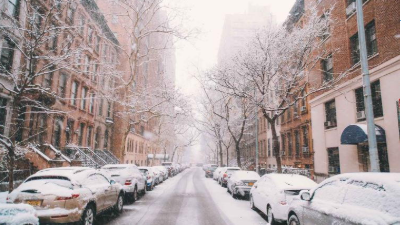
When temperatures drop in New York City, reliable heat becomes more than a matter of comfort. It is an important housing requirement. The New York Heating Law establishes standards that residential building owners must follow during the city's official Heat Season. For tenants, understanding these requirements can make it easier to recognize a heating problem and take appropriate action.
What Is the New York Heating Law?
New York City requires building owners to provide adequate heat during Heat Season, which runs from October 1 through May 31. The requirements apply to residential buildings where owners are responsible for providing heat.
During the daytime, from 6:00 a.m. to 10:00 p.m., an apartment must generally reach at least 68°F when the outdoor temperature falls below 55°F. At night, from 10:00 p.m. to 6:00 a.m., the indoor temperature must generally be at least 62°F regardless of the outdoor temperature.
These standards are designed to help ensure that residents have safe and livable conditions during colder months.
When Does NYC Heat Season Begin?
Heat Season begins on October 1 and continues through May 31. During this period, building owners are expected to maintain required heating conditions in residential apartments.
Because New York weather can change quickly, tenants may notice heating problems early in the season. Keeping track of indoor temperatures and communicating with building management can help identify problems before they become more serious.
What Are Landlords Required to Do?
Under the New York Heating Law, landlords and building owners have important responsibilities. They must maintain the building's heating system and provide heat that meets the applicable temperature requirements.
Landlords should also respond to heating complaints and arrange necessary repairs when the heating system is not working properly. Regular maintenance can reduce the likelihood of unexpected heating failures during extremely cold weather.
Heat is not the only utility covered by NYC housing requirements. Building owners must also provide hot water throughout the year, with a minimum required temperature of 120°F at the source.
What Should Tenants Do If There Is No Heat?
If your apartment is too cold or your heating system is not working, taking organized steps can help.
1. Check the Indoor Temperature
Use a reliable thermometer to monitor the temperature in your apartment. Record the date, time, and temperature, particularly when the apartment appears to fall below the required level.
2. Notify the Landlord
Contact the landlord, property manager, superintendent, or managing agent as soon as possible. Explain the heating problem clearly and keep copies of messages, emails, or other communications.
3. Keep Documentation
Photos of a thermometer, written records of temperatures, repair requests, and responses from management can help establish a timeline of the problem.
4. Contact 311 When Necessary
NYC advises tenants without adequate heat or hot water to file a complaint through 311 or the city's online service.
Why Documentation Matters
Heating disputes can sometimes become complicated. A tenant may believe that the apartment does not have sufficient heat, while building management may claim that the heating system is operating properly.
Detailed records can provide useful information about what happened. Tenants should consider keeping:
- Temperature readings
- Dates and times of heating problems
- Copies of written complaints
- Maintenance requests
- Photos or videos showing temperature readings
- Responses from landlords or property managers
- Records of 311 complaints or inspections
A clear record can make it easier to explain the situation if further action becomes necessary.
What If the Landlord Does Not Fix the Problem?
When heating problems continue after the landlord has been notified, a tenant may have additional options. NYC housing authorities can investigate certain heating complaints and issue violations when applicable.
Depending on the circumstances, persistent heating problems may also raise broader questions involving housing conditions, lease obligations, or tenant remedies. The appropriate response can depend on the type of apartment, tenancy, building, and nature of the heating failure.
For that reason, tenants facing an ongoing dispute may benefit from obtaining legal guidance before taking significant action.
Can Heating Problems Affect Rent?
In some situations, a serious and prolonged failure to provide required heat may lead to questions about rent-related remedies. However, tenants should not automatically withhold rent or make deductions without understanding the potential legal consequences.
The facts of each situation matter. Lease terms, the severity and duration of the heating problem, communications with the landlord, and applicable tenant protections can all be relevant.
What Landlords Should Keep in Mind
Landlords can reduce heating-related disputes by maintaining their systems before Heat Season begins and responding promptly to tenant complaints.
Useful practices include:
- Inspecting heating equipment before October
- Addressing maintenance problems promptly
- Keeping records of repairs
- Responding to tenant complaints in writing
- Monitoring building-wide heating issues
- Ensuring required temperatures are maintained
Prompt attention to heating problems can help protect tenants while also reducing the risk of prolonged disputes.
Stay Informed About New York Heating Law
The New York Heating Law is important for both tenants and landlords because adequate heat is closely connected to safe and habitable housing. Knowing the applicable temperature requirements, documenting problems, and communicating promptly can help tenants respond appropriately when heating services are inadequate.
Because housing laws and individual circumstances can vary, anyone facing a significant heating dispute should consider obtaining professional legal guidance.
Understanding the New York Heating Law gives NYC tenants and landlords a clearer picture of their responsibilities during Heat Season. Tenants should document inadequate heat, notify the appropriate parties, and use available city complaint channels when necessary. Landlords should maintain heating systems and respond promptly to reported problems.

eSIMcho | Global eSIM & No Roaming

 English
 Russian