


Stüssy: The Brand That Built Streetwear From a Surfboard
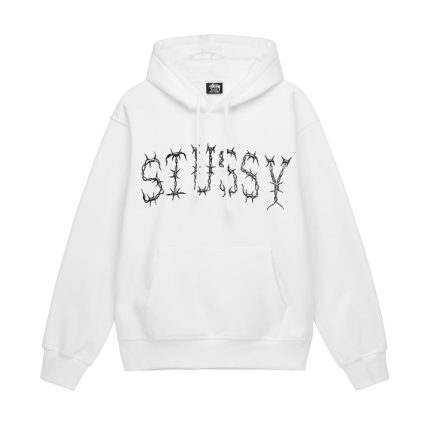
Long before "streetwear" became a billion-dollar global industry with runway collaborations and resale markets, there was a surfer in Laguna Beach, California, scrawling his signature onto handmade surfboards. That surfer was Shawn Stussy, and the brand that grew out of his simple, looping logo would go on to define an entire subculture. Today, Stüssy is widely regarded as the original streetwear label — the blueprint that countless brands, from Supreme to Palace, would later follow. Its story is not just about clothing; it's about how a small, independent idea from the surf-skate underground of the 1980s grew into a worldwide movement built on community, authenticity, and word-of-mouth cool.
The Origins: From Surfboards to T-Shirts
Stüssy began in the early 1980s when Shawn Stussy, a skilled surfboard shaper, started signing his handcrafted boards with a distinctive graffiti-style signature. That signature — angular, loose, and instantly recognizable — became the brand's defining logo, one that still appears on nearly every Stüssy product today. Around 1980, Shawn began screen-printing his signature onto plain T-shirts to promote his surfboard business. What started as a marketing tool for his boards quickly took on a life of its own.
By the mid-1980s, Shawn Stussy partnered with Frank Sinatra Jr. — not the singer's namesake by coincidence, but a business-savvy friend also known as Frank Sinatra — to formally launch Stüssy as a clothing company. The timing was fortuitous. Southern California's surf and skate culture was colliding with hip-hop, punk, and the burgeoning New York street scene, and Stüssy's laid-back, rebellious aesthetic captured that intersection perfectly. The brand didn't just sell clothes; it sold a lifestyle rooted in surf culture but flexible enough to resonate with skaters in California, punks in London, and hip-hop heads in New York.
The Stüssy Tribe: Building a Global Network
What truly set Stüssy apart in its early years wasn't just the clothing — it was the way the brand built its community. In the late 1980s, Shawn Stussy began recruiting a loose network of tastemakers, DJs, artists, and cultural insiders from cities around the world to represent the brand. This informal group became known as the "International Stüssy Tribe."
The Tribe included influential figures from New York, London, Tokyo, and beyond — people who were already respected in their local scenes for their taste in music, art, and fashion. Rather than relying on traditional advertising, Stüssy essentially built one of the earliest examples of what we'd now call influencer marketing, decades before social media existed. These Tribe members wore Stüssy gear, hosted parties, and organically spread the brand's aesthetic through their own networks. This grassroots, community-driven approach became a template that streetwear brands still use today: build authenticity through real cultural connections rather than mass-market advertising.
This global network also meant Stüssy wasn't confined to Southern California. By the early 1990s, standalone Stüssy stores began appearing in cities like Tokyo, London, and New York, each one tailored to its local scene while maintaining the brand's core identity. This international footprint gave Stüssy a reach that few American fashion brands had at the time, and it cemented the label's reputation as a truly global streetwear pioneer.
Design Philosophy: Simplicity, Graffiti, and Subculture
Stussy Clothing aesthetic has always leaned into a kind of controlled looseness. The brand's clothing was never about flashy logos or overt luxury signaling — it was about subtlety mixed with attitude. The signature scrawled logo, inspired by graffiti art and skate culture, became a symbol of insider knowledge. If you recognized it, you were part of the scene; if you didn't, that was fine too.
Core to the Stüssy look are oversized T-shirts, hooded sweatshirts, work jackets, and relaxed silhouettes that borrow equally from surf, skate, and hip-hop wardrobes. The brand has always favored muted color palettes punctuated by bold graphics, drawing on graffiti typography, tropical motifs, and countercultural references. Over the decades, Stüssy has managed something rare in fashion: staying recognizably itself while still feeling relevant to each new generation of youth culture.
Collaborations and Cultural Influence
As streetwear evolved into a mainstream force in the 2000s and 2010s, Stüssy remained at the center of it, frequently partnering with other influential names in fashion, music, and design. The brand has collaborated with companies like Nike, Dickies, Birkenstock, and Comme des Garçons, as well as countless independent designers and artists. These partnerships have allowed Stüssy to continually refresh its cultural relevance while staying true to its roots.
Perhaps more importantly, Stüssy's influence can be traced through nearly every major streetwear brand that followed it. Supreme, founded in 1994, drew heavily from Stüssy's model of limited releases, loyal community, and skate-rooted authenticity. The entire "hype" culture surrounding limited drops, collaborations, and resale culture that dominates streetwear today owes a debt to the systems Stüssy helped pioneer decades earlier.
Stüssy Today
Now several decades into its existence, Stüssy has managed to avoid the pitfalls that have derailed many of its imitators. It hasn't oversaturated the market with excessive collaborations, nor has it drifted into pure luxury pricing that alienates its original audience. The brand continues to release seasonal collections that balance nostalgia with forward-looking design, and it maintains flagship stores in major cities worldwide, including Tokyo, New York, Los Angeles, and London.
Part of Stüssy's longevity comes from its refusal to chase every trend. While competitors have leaned heavily into hype-driven marketing, Stüssy has largely stuck to its original values: quality basics, subtle branding, and genuine cultural connections. This restraint has helped the brand maintain credibility with longtime fans while still attracting new customers who may not even know the brand's decades-long history.

 English
 Russian