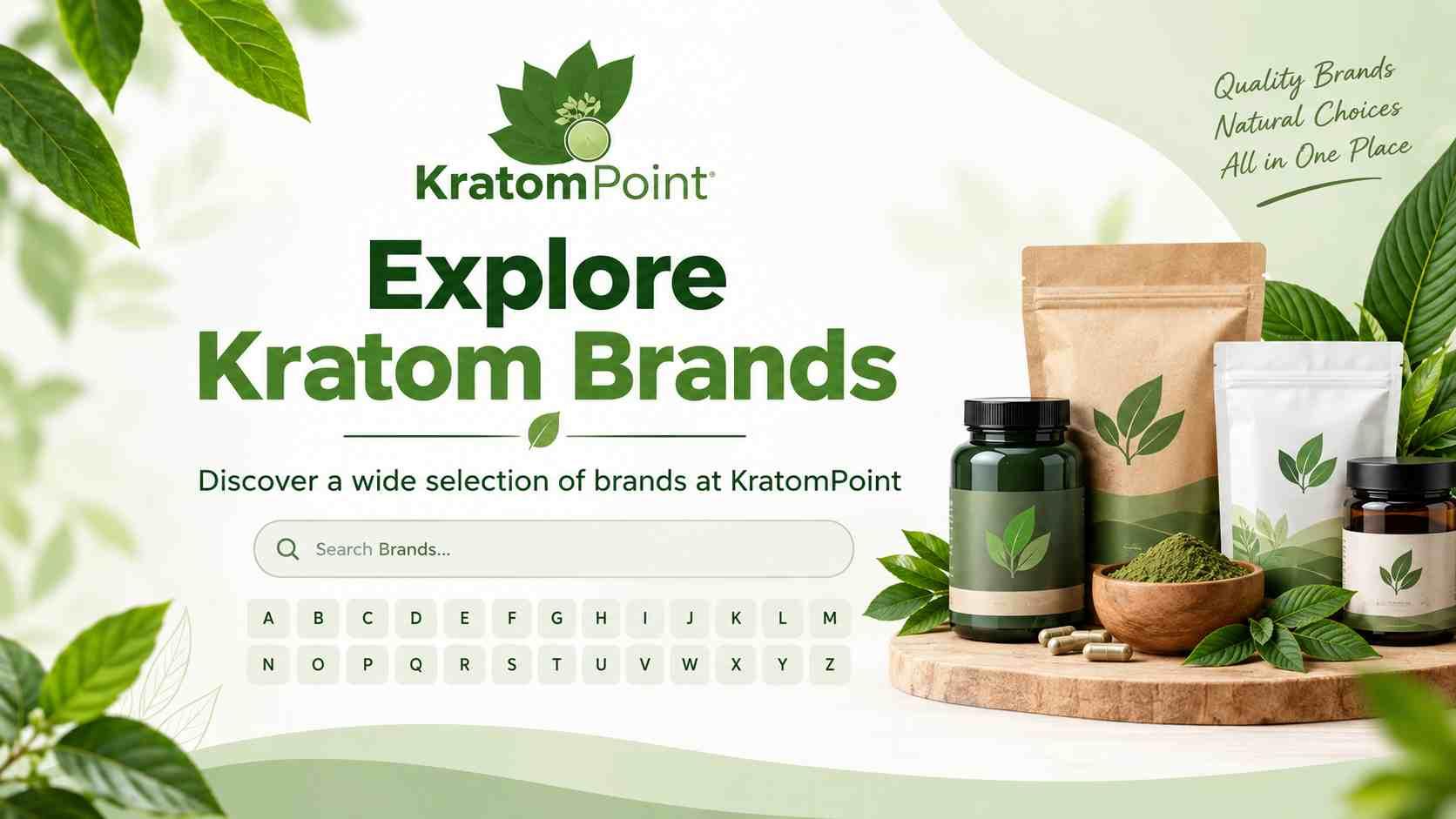

Walk into any smoke shop or scroll through any online store today and you'll see the same thing: shelves packed with colorful packets, capsules, and tablets, each with a different name on the front. So how do you know which ones deserve your money?
That's the real question behind most searches for kratom brands. The market has grown fast across the United States, and not every company that sells kratom plays by the same rules. Some invest in testing and clear labeling. Others cut corners and hope the packaging does the talking.
This guide explains what a kratom brand actually is, why the name on the label matters, and the five signs that separate trustworthy companies from the rest. You'll also find a quick buying checklist and answers to common questions. Let's get into it.
What Is a Kratom Brand?
A kratom brand is a company that sources, processes, packages, and sells kratom products under its own name. That name carries a promise about quality, consistency, and safety. The best kratom brands back that promise with testing, transparent labels, and responsive customer support.
Kratom itself is a tropical tree in the coffee family, native to Southeast Asia. Its leaves are dried and ground into powder, pressed into tablets, packed into capsules, or turned into extracts and shots. The plant is the same, but how a kratom company handles it can differ enormously.
Why the Brand Name Matters
Think of it like buying olive oil. Two bottles might both say "extra virgin," yet one is fresh and carefully produced while the other sat in a warehouse for a year. With kratom, the brand is your main clue to what's inside the package.
Here's what a brand controls:
-
Sourcing: where the leaves come from and how they're harvested
-
Processing: drying, grinding, and any extraction methods
-
Testing: whether anyone checks the product for contaminants
-
Labeling: how honestly the package describes what's in it
-
Customer service: what happens when something goes wrong
Because kraton products and other botanical goods are not approved by the FDA as medicines or dietary supplements, the company behind the label does much of the quality control that you'd otherwise expect from a regulator. That's exactly why the brand deserves a close look.
Sign #1: Third-Party Lab Testing You Can Actually See
If you remember only one thing from this article, make it this one. Trusted kratom brands send their products to independent labs and share the results.
Third-party testing means a lab with no stake in the sale checks each batch. A solid report typically screens for:
-
Heavy metals such as lead and arsenic
-
Microbial contaminants including salmonella, E. coli, yeast, and mold
-
Alkaloid content, so the label matches reality
How to Read a Certificate of Analysis
A Certificate of Analysis (COA) is the lab's report card. Look for a batch or lot number that matches your package, a recent test date, and the name of the lab. If a brand posts a generic report with no batch number, treat it with caution.
Real-world tip: if a company says "lab tested" but can't show you the paperwork, keep scrolling. Honest kratom brands are usually proud to share their results because they've paid for them.
Sign #2: Clear, Honest Labeling
Good labels are boring in the best way. They tell you what you need to know without hype.
Look for these details on any kratom product:
-
Product name and type (powder, capsule, tablet, extract)
-
Net weight or serving count
-
Ingredient list
-
Batch or lot number
-
Company name and contact information
-
A statement that the product isn't intended to diagnose, treat, cure, or prevent any disease
Be wary of packages that make bold medical promises. Because kratom isn't FDA-approved to treat any condition, a reputable kratom company won't claim it can fix your health problems. Language like that is a red flag, not a selling point.
Sign #3: Good Manufacturing Practices (GMP)
Behind every package is a facility. Sign three is about how that facility runs.
Good Manufacturing Practices are a set of rules for keeping production clean, consistent, and traceable. In the kratom world, the American Kratom Association (AKA) runs a GMP standards program that vendors can join and be audited against. Brands that follow GMP-style standards usually keep better records, handle products more carefully, and separate kratom from other ingredients to avoid cross-contamination.
Questions Worth Asking
You don't need to be an auditor. A simple email to customer support can tell you a lot:
-
Do you follow GMP standards?
-
Who tests your products, and how often?
-
Can I see the COA for the batch I'm buying?
A confident, quick answer is a great sign. Dodging the question is not.
Sign #4: A Reputation Built Over Time
Anyone can launch a flashy brand in a weekend. Building a record takes years.
When you're sizing up top kratom brands, check:
-
How long the company has been operating. Longevity isn't everything, but it suggests the brand has survived by keeping customers happy.
-
Independent reviews. Look beyond the testimonials on the brand's own site. Forums, third-party review pages, and retailer feedback give a fuller picture.
-
How they handle complaints. A brand that responds politely and fixes problems is worth more than one with a perfect-looking star rating and no replies.
-
Consistency. Do buyers report that the product is about the same from one order to the next?
One more tip: reputable retailers do some of this vetting for you. For example, KratomPoint carries more than 50 kratom brands, including names like Bumble Bee, OPMS, Whole Herbs, Remarkable Herbs, MAXX Out, Blue Magic, Dozo Perks, 7Stax, Kraken Kratom, Mit 45, and Happy Hippo. A store that curates its lineup tends to protect its own reputation by being picky about who gets shelf space.
Sign #5: Legal Awareness and Responsible Practices
This sign is easy to overlook, and it matters a lot in the USA.
Kratom is legal at the federal level, but the rules change from place to place. Several states have banned it outright, and some cities and counties have their own restrictions. Many states that allow kratom have also set a minimum purchase age, commonly 18 or 21. Laws are shifting, too, and federal agencies have shown growing interest in concentrated and semi-synthetic products, so it pays to double-check the rules where you live before ordering.
A trustworthy kratom brand or retailer will:
-
Verify age at purchase
-
Restrict sales to places where kratom is legal
-
Avoid marketing aimed at minors
-
Provide clear shipping and return policies
-
Ship discreetly and reliably
For instance, KratomPoint limits checkout in certain states because of local regulations and ships through USPS in plain packaging. Details like these show a company that takes compliance seriously rather than treating it as an afterthought.
Red Flags to Watch For
Spotting bad actors is just as useful as spotting good ones. Be cautious if you see:
-
Rock-bottom prices that seem too good to be true
-
No COA, or reports that look recycled
-
Health claims or "miracle" language
-
No physical address, phone number, or email
-
Missing batch numbers
-
Pressure tactics like fake countdown timers
Any single item doesn't automatically mean a brand is bad, but several together are a strong reason to walk away.
A Quick Checklist for Choosing Kratom Brands in 2027
Before you buy, run through this list:
-
Can I find a recent, batch-specific lab report?
-
Is the label complete and free of medical claims?
-
Does the company follow GMP or similar standards?
-
Do independent reviews back up its reputation?
-
Is it legal for me to buy and receive this where I live?
-
Can I reach a real person if something goes wrong?
If you can answer "yes" to most of these, you're likely looking at a brand worth your attention.
A note on safety: Kratom affects people differently, and it isn't right for everyone. It is not approved by the FDA to treat any medical condition. If you're pregnant, nursing, taking medication, or managing a health condition, talk with a healthcare professional first. Keep all products away from children and pets.
Frequently Asked Questions
What is a kratom brand?
A kratom brand is a company that produces or sells kratom products under its own name, such as powders, capsules, tablets, and extracts. A good brand backs its products with lab testing, clear labels, and accessible customer support.
How can I tell if a kratom company is trustworthy?
Look for third-party lab results tied to specific batches, complete labeling, GMP-style manufacturing standards, a long track record, and clear compliance with local laws. Responsive customer service is another strong signal.
Which are the top kratom brands in the US?
Popularity changes over time, and "best" depends on what you value. Rather than chasing a single list, compare brands using the five signs above. Retailers like KratomPoint let you browse dozens of options in one place, which makes side-by-side comparison easier.
Is kratom legal in the United States?
It's not banned federally, but several states and some local areas restrict or prohibit it, and many set age limits. Always check current rules for your state and city before buying.
Why do kratom products from different brands feel different?
Differences in sourcing, harvest timing, processing, product type, and freshness can all change the final product. That's one more reason consistent testing and honest labeling matter.
Conclusion: Choose Kratom Brands With Confidence
A kratom brand is more than a logo. It's the company standing behind what's in the package. As you shop in 2027, look for the five trusted signs: transparent lab testing, honest labels, solid manufacturing practices, a proven reputation, and respect for the law. Put those together and you'll steer clear of most of the problems that trip up first-time buyers.
Ready to explore? Visit the Kratom Point to browse 50+ kratom brands in one place, compare options, and shop with discreet USPS shipping and KP Rewards savings. Take your time, check the details, and buy from companies that earn your trust.