


How Hormones Affect Women's Periods, Energy and Mood
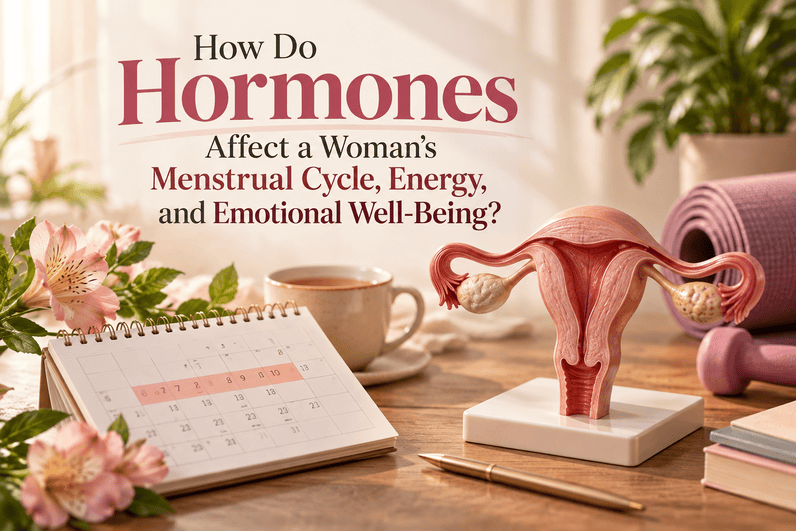
Some days, you may wake up feeling energetic and focused, while on other days, even ordinary tasks seem more tiring. You might also notice changes in your sleep, appetite, patience, or emotional responses in the days before your period. These experiences can feel confusing, especially when they appear to follow a monthly pattern.
Hormones are chemical messengers that help coordinate many functions throughout the body. In women, estrogen, progesterone, and other hormones influence the menstrual cycle, reproductive health, and several processes associated with mood, sleep, and physical energy. Their levels change naturally throughout the month, although the effects vary from person to person.
Understanding these patterns can help you recognize what is typical for your body and when a change deserves medical attention. Some women look for herbal supplements for women's hormonal imbalance when they experience recurring menstrual discomfort, fatigue, or mood changes. However, these symptoms can have several causes, and a supplement should not be the first assumption or a substitute for an appropriate assessment.
This guide explains how hormones work during the menstrual cycle, why energy and emotions may change, which everyday habits can support well-being, and when professional advice is appropriate.
Understanding your body's patterns is a practical first step toward caring for your health.
Key Considerations
- Estrogen and progesterone rise and fall throughout the menstrual cycle, influencing reproductive processes and sometimes affecting how a woman feels.
- Changes in mood, sleep, or energy can be associated with the menstrual cycle, but they may also have other explanations.
- Regular meals, suitable physical activity, adequate sleep, and menstrual tracking can help women understand their individual patterns.
- Persistent irregular periods, severe fatigue, or disruptive emotional symptoms should not automatically be attributed to hormones.
- Herbal preparations and dietary supplements may have side effects or interact with medicines. Their suitability depends on the ingredients and the individual's health circumstances.
What Are Hormones, and Why Do They Matter for Women's Health?
Hormones are substances produced by glands and tissues that carry messages to different parts of the body. They help regulate functions such as metabolism, reproduction, sleep, stress responses, and the body's use of energy. Because these processes are connected, hormonal changes can sometimes affect more than one aspect of daily life.
The menstrual cycle depends on communication between the brain, the pituitary gland, and the ovaries. The brain releases signals that encourage the pituitary gland to produce hormones involved in follicle development and ovulation. In response, the ovaries produce estrogen and progesterone, which help coordinate changes in the reproductive system.
Estrogen supports the development of the uterine lining and plays roles in bone health and other body functions. Progesterone rises after ovulation and helps prepare the uterine lining for a possible pregnancy. If pregnancy does not occur, these hormone levels fall, contributing to the start of menstruation.
Hormones Do More Than Regulate Periods
Although estrogen and progesterone are closely associated with reproductive health, their effects are not limited to menstruation. Hormonal changes may coincide with differences in sleep, body temperature, appetite, and emotional responses. The relationship is complex, and the same hormone pattern does not produce identical symptoms in every woman.
Other hormones matter too. Thyroid hormones help regulate metabolism, while insulin helps control blood glucose. Prolactin is involved in breast milk production, and androgens, including testosterone, are present in women as well as men. Changes involving these hormones can sometimes affect menstrual regularity, energy, or other aspects of health.
Does Every Change Mean There Is a Hormonal Imbalance?
No. Hormone levels naturally vary during the menstrual cycle and across life stages. A change in mood before menstruation, for example, does not automatically indicate a medical disorder.
A hormonal problem becomes a more relevant consideration when symptoms are persistent, unusually severe, or accompanied by changes such as missed periods, unexpected bleeding, or new physical symptoms. A healthcare professional can consider the overall pattern rather than relying on one symptom alone.
The key is to understand normal variation while remaining attentive to changes that affect everyday functioning.
How Can Hormonal Changes Affect a Woman's Energy Levels?
Energy depends on many interconnected factors, including sleep quality, nutrition, hydration, stress, physical activity, and medical health. Hormonal fluctuations can be one part of this picture, but they do not explain every episode of tiredness.
The Office on Women's Health describes possible energy differences across the menstrual cycle. Some women feel more energetic during parts of the follicular phase, while others notice tiredness after ovulation or before menstruation. These patterns are possibilities, not a schedule that everyone experiences.
Energy During and After Menstruation
The first days of a period may be physically demanding for someone experiencing cramps, headaches, heavy bleeding, or disrupted sleep. Heavy menstrual bleeding can also contribute to iron deficiency, which may cause fatigue, weakness, dizziness, or shortness of breath.
If your period is unusually heavy and you regularly feel exhausted, it is worth discussing both the bleeding and the fatigue with a healthcare professional. Iron deficiency is one possible explanation, but it should not be assumed without appropriate assessment.
Why You May Feel Tired Before Your Period
During the luteal phase, hormonal changes may coincide with premenstrual symptoms such as poor sleep, breast tenderness, bloating, and changes in appetite. These symptoms can make normal activities feel more difficult.
The American College of Obstetricians and Gynecologists (ACOG) identifies fatigue, insomnia, appetite changes, and emotional symptoms among the possible features of premenstrual syndrome (PMS).
Other Factors That Can Lower Energy
Before attributing fatigue to the menstrual cycle, consider whether other factors could be involved.
- Inadequate sleep: Frequent waking, an inconsistent bedtime, or insufficient rest can affect daytime energy.
- Irregular meals: Long gaps between meals or an unbalanced diet may make it harder to maintain steady energy throughout the day.
- Stress and mental strain: Ongoing responsibilities or emotional pressure can affect sleep, concentration, and motivation.
- Medical conditions: Iron deficiency, thyroid disorders, and other health conditions may contribute to persistent tiredness.
- Changes in activity or diet: A demanding exercise schedule or inadequate food intake can affect both energy and menstrual regularity.
If fatigue lasts for weeks, interferes with daily activities, or occurs with other unexplained symptoms, arrange a medical assessment rather than assuming it is a normal part of menstruation.
What Role Do Hormones Play in Emotional Well-Being?
Hormonal fluctuations can coincide with changes in mood, patience, concentration, and emotional sensitivity. However, emotions are influenced by more than hormone levels alone. Personal circumstances, sleep, relationships, physical discomfort, and existing mental health conditions can all contribute.
- Mood changes before menstruation: Some women feel more irritable, anxious, sad, or emotionally sensitive during the days before their period. These symptoms may be associated with PMS when they follow a recurring pattern and interfere with daily life.
- Changes in concentration: Poor sleep, discomfort, and mood symptoms may make it harder to focus on work, study, or household responsibilities.
- Stress sensitivity: A demanding week may feel harder to manage when it coincides with premenstrual discomfort or disrupted sleep.
- Sleep-related emotional changes: Difficulty sleeping can reduce patience and make everyday challenges feel more difficult. Sleep problems may also intensify existing anxiety or low mood.
- Differences between individuals: Some women notice clear monthly mood changes, while others experience little or no emotional variation across their cycles.
The National Institute of Mental Health and other health authorities recognize that reproductive hormone changes can be relevant to mental health, particularly during certain life stages. However, a recurring mood symptom should not automatically be diagnosed as a hormone problem.
If emotional symptoms are mild and predictable, tracking them may help you prepare for more difficult days. If sadness, anxiety, anger, or loss of interest persists throughout the month, professional support can help assess other possible causes.
The main takeaway: Emotional well-being deserves attention in its own right. Hormonal patterns may provide useful context, but distressing symptoms should never be dismissed as something a woman simply has to tolerate.
Which Factors Can Disrupt Menstrual Regularity and Hormonal Health?
A period that arrives earlier or later than expected can have several explanations. Temporary changes may occur with stress, illness, travel, or shifts in routine. Persistent irregularity, however, can sometimes indicate an underlying reproductive or general health condition.
When reviewing menstrual health, it is useful to consider the full picture rather than focusing only on estrogen or progesterone. Some women researching herbal products may be trying to address irregular periods, fatigue, or mood changes, but these symptoms can have different causes and may require different approaches.
Common Factors to Consider
- Stress: Prolonged emotional or physical stress can affect the brain signals involved in ovulation and may lead to delayed or missed periods.
- Changes in body weight or food intake: Rapid weight loss, inadequate nutrition, or substantial weight changes can affect reproductive hormone signaling.
- Intense exercise: Very demanding exercise combined with insufficient food intake can disrupt menstrual function.
- Polycystic ovary syndrome (PCOS): This condition can affect ovulation and menstrual regularity. Other features may include acne, increased facial or body hair, and changes in metabolism.
- Thyroid disorders: An underactive or overactive thyroid can affect menstrual patterns, energy, and other body functions.
- Pregnancy and life-stage changes: Pregnancy, breastfeeding, puberty, and the transition toward menopause can change the timing or pattern of periods.
The NHS identifies stress, weight changes, excessive exercise, pregnancy, hormonal contraception, PCOS, and thyroid problems among possible explanations for irregular periods.
Why the Cause Matters
The appropriate response depends on what is happening. A missed period could be associated with pregnancy, while recurring irregular cycles accompanied by acne and increased facial hair may warrant assessment for PCOS. Heavy bleeding with persistent tiredness may require evaluation for iron deficiency or another cause.
A healthcare professional may ask about your menstrual history, medicines, lifestyle, and other symptoms before deciding whether tests are appropriate. Avoid trying to correct a presumed hormone imbalance without understanding the reason for the change.
How Can You Support Hormonal Health Through Everyday Habits?
Everyday habits can support general health and may help some women manage menstrual symptoms. They cannot guarantee a perfectly regular cycle or prevent every hormone-related condition, but consistent routines provide a useful foundation.
Eat Regular, Balanced Meals
Your body needs adequate energy and a range of nutrients to support its normal functions. A varied diet can include vegetables, fruits, whole grains, beans, lentils, protein-rich foods, and suitable sources of healthy fats.
If you experience heavy periods, discuss iron intake and the possibility of iron deficiency with a healthcare professional. Iron supplements are not necessary for everyone and should be used according to individual needs.
Prioritize Consistent Sleep
Sleep supports concentration, mood regulation, and daytime functioning. Try to maintain a regular sleep and waking schedule, reduce late-night disruptions, and create a comfortable sleeping environment.
If pain, night sweats, anxiety, or other symptoms repeatedly interrupt your sleep, addressing those symptoms may be more useful than simply trying to spend more time in bed.
Choose Physical Activity That Suits You
Walking, swimming, cycling, stretching, and other suitable forms of movement can support general health and may help some women manage stress or premenstrual discomfort.
You do not have to follow an intense exercise routine to benefit from movement. If you feel tired or experience cramps, adjusting the duration or intensity may be more comfortable. At the same time, persistently exercising through exhaustion or eating too little can be harmful to menstrual health.
Make Room for Stress Management
Stress does not explain every irregular period, but ongoing stress may affect sleep, mood, eating habits, and the systems involved in reproductive function.
Consider practical approaches such as taking short breaks, spending time outdoors, talking with someone supportive, or practising a relaxation technique that feels comfortable to you. If anxiety or low mood is persistent, professional mental health support may be appropriate.
Avoid Treating Every Symptom as a Hormone Problem
Fatigue, acne, mood changes, and irregular periods are not specific to one condition. Their timing, severity, duration, and combination matter.
A consistent routine can support well-being, but new or persistent symptoms deserve proper attention instead of repeated changes to diets, supplements, or self-care products.
What Should You Know Before Considering Herbal Approaches to Women's Hormonal Health?
Traditional medicine includes many preparations intended to support different aspects of women's health. However, the term "hormonal support" can describe very different products and claims, so it is important to assess each preparation individually.
The National Center for Complementary and Integrative Health (NCCIH) reports that research on many supplements used for menopausal symptoms has produced mixed or limited findings. Evidence for a specific symptom or ingredient should not be treated as proof that every formulation works, or that a product can correct a diagnosed hormonal disorder.
When considering a traditional preparation, use the following principles.
- Identify the intended use: A preparation marketed for menstrual discomfort is not necessarily appropriate for irregular periods, infertility, severe mood symptoms, or persistent fatigue.
- Check the full ingredient list: Products may contain several ingredients with different effects, warnings, and potential interactions.
- Review the available evidence: Traditional use and personal reports can provide context, but they do not establish effectiveness for every medical condition.
- Consider your health circumstances: Pregnancy, breastfeeding, existing conditions, and medicines can change whether a preparation is suitable.
- Ask a qualified professional: A healthcare professional or appropriately qualified practitioner can help assess whether the product is appropriate alongside other care.
Traditional Use and Clinical Evidence Are Different
A plant may have a long history of use for a particular concern without having strong clinical evidence for that purpose. Similarly, research on one standardized extract does not necessarily apply to a different preparation containing the same plant.
This distinction matters when a product claims to balance hormones, regulate periods, improve fertility, or resolve mood changes. Such broad claims should not be accepted without evidence relevant to the particular ingredient, formulation, and intended outcome.
What About Menopause-Related Symptoms?
Some supplements have been studied for hot flashes and other symptoms associated with menopause. According to NCCIH, evidence for many natural preparations remains inconsistent, and some may cause adverse effects or interact with medicines.
Menopause care also differs from care during the reproductive years. A preparation studied for hot flashes after menopause should not automatically be considered suitable for a younger woman with irregular menstruation.
For persistent symptoms, the priority is to understand the cause and discuss suitable options rather than relying on a general claim about hormone balance.
Which Symptoms May Indicate a Hormonal or Menstrual Health Problem?
Hormonal conditions can produce overlapping symptoms, and some women experience several changes at the same time. The pattern is often more informative than a single symptom, especially when it develops gradually or repeatedly affects daily life.
Irregular or Missing Periods
Periods that repeatedly arrive outside your usual pattern, bleeding between periods, or missing periods without an obvious explanation warrant medical advice. Pregnancy is one possible cause of a missed period when pregnancy is possible.
The NHS advises seeking medical guidance for irregular periods, periods lasting longer than seven days, or irregularity accompanied by symptoms such as tiredness, weight changes, or increased facial hair.
Unusually Heavy or Painful Menstruation
Heavy bleeding can affect everyday activities and may contribute to iron deficiency. Severe period pain can also be associated with conditions such as endometriosis or fibroids, although pain severity alone cannot establish a diagnosis.
Seek medical advice if bleeding becomes much heavier than usual, lasts longer than expected, or is accompanied by persistent or worsening pain.
Mood Symptoms That Disrupt Daily Life
PMS may involve physical and emotional symptoms that recur before menstruation. A more severe condition, premenstrual dysphoric disorder (PMDD), can involve marked mood changes, anxiety, irritability, hopelessness, and low energy that interfere with daily functioning.
ACOG explains that the timing and impact of symptoms help clinicians assess PMS and related conditions. Keeping a daily record across multiple cycles can help clarify whether symptoms follow a menstrual pattern.
Fatigue That Does Not Improve
Persistent tiredness may be related to heavy bleeding, sleep problems, stress, thyroid disease, depression, or other medical issues. It should not automatically be attributed to changing estrogen levels.
Arrange an assessment if fatigue is persistent, worsening, unexplained, or affecting your ability to manage daily tasks.
When to Seek Urgent Care
Seek urgent medical care for severe pelvic or abdominal pain, fainting, very heavy bleeding with weakness or dizziness, or possible pregnancy accompanied by significant pain or bleeding. If you experience thoughts of suicide or feel at risk of harming yourself, seek immediate crisis or emergency support.
A recurring symptom is worth understanding, especially when it begins to affect everyday life.
What Practical Steps Can Help You Monitor Your Menstrual and Emotional Health?
You do not need to track every physical sensation to understand your cycle. A short, consistent record can help you recognize patterns and provide clearer information if you seek medical advice.
- Record the first day of each period: This gives you a consistent starting point for calculating cycle length and noticing changes.
- Note the amount and duration of bleeding: Record whether your period seems lighter or heavier than usual and how many days it lasts.
- Track energy and sleep: Brief notes about tiredness, sleep quality, and concentration may reveal whether these changes recur at a similar point in the cycle.
- Record emotional symptoms: Note irritability, anxiety, sadness, or other mood changes, including how strongly they affect work, relationships, and everyday activities.
- Include relevant circumstances: Record major stressors, illness, changes in exercise, medicines, and supplements when these may help explain a change.
Review the Pattern Rather Than One Difficult Day
A single episode of low energy or sadness cannot establish a hormone-related condition. A repeated pattern, especially one that follows the same phase of the cycle and improves afterward, may provide more useful information.
If symptoms persist throughout the month, worsen over time, or appear with changes in bleeding, a healthcare professional can help consider other explanations.
Practical takeaway: Use tracking to support informed decisions, not to diagnose yourself. The purpose is to describe what is happening clearly enough to decide whether a change in routine, professional assessment, or another form of support may be appropriate.
Health Snapshot
- Estrogen, progesterone, and other hormones help regulate menstruation and can influence aspects of mood, sleep, and physical energy.
- Menstrual patterns differ between women, so symptoms should be considered in the context of individual history and daily functioning.
- Balanced nutrition, adequate sleep, appropriate physical activity, and symptom tracking can support general well-being.
- Herbal preparations vary in their ingredients, evidence, and safety. They should not be assumed to correct every hormonal concern.
- Persistent irregular periods, severe pain, heavy bleeding, unexplained fatigue, or disruptive emotional symptoms deserve professional assessment.
Comparison Table: Common Menstrual Changes and Appropriate Responses
The following table distinguishes common cycle-related experiences from situations that may warrant additional attention. These are general guidelines, not diagnostic rules, and the right response depends on symptom severity and individual circumstances.
|
Experience |
Possible Explanation |
Practical Response |
When to Seek Advice |
|
Mild mood changes before a period |
Normal cycle-related changes or PMS |
Record timing, sleep, and emotional symptoms |
If symptoms repeatedly disrupt daily life |
|
Tiredness during menstruation |
Discomfort, disrupted sleep, or heavy bleeding |
Review rest and usual routines |
If fatigue persists or heavy bleeding is present |
|
Period arriving earlier or later |
Natural variation, stress, pregnancy, or other factors |
Track cycle dates and relevant changes |
If irregularity persists or is accompanied by other symptoms |
|
Hot flashes and sleep disruption around menopause |
Menopausal transition or another health issue |
Discuss symptom management options |
If symptoms are troublesome or the cause is unclear |
|
Ongoing fatigue and low mood |
Sleep problems, iron deficiency, thyroid disorders, depression, or other causes |
Record symptoms and arrange assessment |
If symptoms persist, worsen, or impair daily functioning |
|
Considering a traditional supplement |
Product-specific intended use and possible effects |
Check ingredients, warnings, and interactions |
Before use during pregnancy, breastfeeding, or alongside medicines |
|
Severe pain or unusually heavy bleeding |
A menstrual disorder or another medical condition |
Seek appropriate medical assessment |
Urgently if pain is severe, fainting occurs, or bleeding causes marked weakness or dizziness |
Frequently Asked Questions
Hormonal health questions often involve distinguishing normal menstrual variation from symptoms that need attention. These answers provide general guidance, but individual concerns may require a healthcare professional's assessment.
Can hormones affect energy levels throughout the month?
Yes. Hormonal changes across the menstrual cycle may coincide with differences in energy, sleep, and physical comfort. However, the pattern varies, and persistent fatigue may also be related to iron deficiency, thyroid conditions, stress, or other causes.
Why do I feel more emotional before my period?
Some women experience PMS symptoms, including irritability, anxiety, sadness, or mood swings, during the days before menstruation. Hormonal fluctuations may contribute, but sleep, stress, and mental health can also influence symptoms. If mood changes seriously affect daily life, seek professional advice.
Do irregular periods always mean I have a hormonal imbalance?
No. Irregular periods can occur because of stress, pregnancy, changes in weight, intense exercise, hormonal contraception, or life-stage changes. PCOS and thyroid disorders are other possible causes. Persistent or unexplained changes should be assessed rather than self-diagnosed.
Can herbal supplements correct hormonal problems?
There is no single answer because products contain different ingredients and may be intended for different symptoms. Evidence varies, and some preparations can cause side effects or interact with medicines. A supplement should not replace assessment or treatment of a diagnosed condition.
When should I speak to a healthcare professional about menstrual symptoms?
Seek advice for persistent irregular periods, bleeding between periods, periods lasting longer than seven days, severe menstrual pain, or fatigue that does not improve. Urgent care is appropriate for severe pain, fainting, or unusually heavy bleeding accompanied by marked weakness or dizziness.
Final Thoughts: Supporting Women's Hormonal Health With Better Awareness
Hormonal changes are a normal part of reproductive health, but their effects on menstruation, energy, and emotional well-being differ from one woman to another. Understanding the broad pattern of the menstrual cycle can help you recognize recurring symptoms without assuming that every change signals a disorder.
Start with practical steps: keep track of your periods, pay attention to sleep and energy, eat balanced meals, and choose physical activity that suits your circumstances. If you notice a persistent change in your cycle or symptoms that interfere with daily life, seek appropriate medical guidance.
Traditional preparations may be part of some women's personal approach to health, but their suitability depends on their actual ingredients, the available evidence, and individual circumstances. They should not be treated as a universal answer to hormonal concerns.
Most importantly, do not dismiss ongoing fatigue, severe emotional distress, or unusual bleeding as something you simply have to live with. Understanding the pattern and addressing the cause can help you make more informed decisions about your health.
Women's health begins with paying attention to the body's signals and responding with informed, appropriate care.
Health Disclaimer: This article is for general educational purposes and does not replace professional medical advice, diagnosis, or treatment. Menstrual symptoms and hormonal concerns can have several causes. Consult a qualified healthcare professional about persistent, severe, or unexplained symptoms, and seek urgent care for severe pain, fainting, or heavy bleeding accompanied by marked weakness or dizziness. Discuss supplements and traditional preparations with a qualified professional, particularly if you are pregnant, breastfeeding, have an existing medical condition, or take medicines.Health Disclaimer: This article is for general educational purposes and does not replace professional medical advice, diagnosis, or treatment. Menstrual symptoms and hormonal concerns can have several causes. Consult a qualified healthcare professional about persistent, severe, or unexplained symptoms, and seek urgent care for severe pain, fainting, or heavy bleeding accompanied by marked weakness or dizziness. Discuss supplements and traditional preparations with a qualified professional, particularly if you are pregnant, breastfeeding, have an existing medical condition, or take medicines.

eSIMcho | Global eSIM & No Roaming

 English
 Russian