


Thermal Paper Rolls: Sizes, Quality, Uses and Printer Compatibility
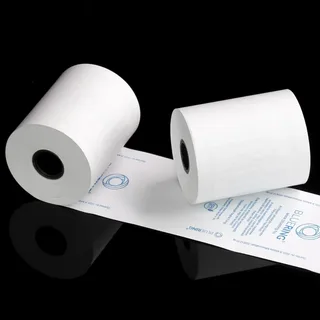
Thermal Paper Rolls: Understanding Sizes, Applications and Print Performance
Businesses that depend on receipts, transaction records, tickets, and order slips need printing supplies that match their equipment and daily workload. Heat-sensitive receipt paper rolls are widely used because compatible printers create text and images through controlled heat rather than conventional ink or toner. From retail counters and restaurants to payment terminals, healthcare facilities, transport services, and hospitality businesses, these rolls support fast everyday printing. Understanding dimensions, paper coating, roll length, core size, storage, printer compatibility, and print quality helps businesses select appropriate supplies without relying on appearance or price alone.
What Are Thermal Paper Rolls?
Thermal paper rolls are manufactured with a heat-sensitive coating that reacts when it passes beneath a compatible thermal printhead. Tiny heating elements activate selected areas of the coating to produce text, numbers, barcodes, logos, or other information. Because direct thermal printing does not require conventional ink cartridges or toner, the consumable setup is relatively straightforward. The paper itself, however, must meet the specifications of the printer.
How Direct Thermal Printing Works
A thermal printer feeds coated paper across a printhead containing numerous heating elements. These elements activate in a controlled pattern according to the information being printed.
Why Paper Coating Is Important
The coating affects print density, clarity, consistency, and image stability. Uniform paper can support clean printing, while unsuitable material may result in faint text, inconsistent output, or unnecessary residue around the printer mechanism.
Common Uses Across Different Industries
Receipt rolls are associated with retail, but their applications extend considerably further.
Businesses commonly use them for:
-
Point of sale receipts
-
Card payment terminal records
-
Restaurant bills and order slips
-
Tickets and queue numbers
-
Transaction and service records
-
Selected labels and operational documents
The appropriate roll depends on the machine and application rather than the industry alone.
Understanding Thermal Roll Sizes
Roll dimensions are among the most important specifications to check before purchasing. A small difference in width or diameter can make a roll unsuitable for a particular machine.
Width, Diameter and Length
Width describes the measurement across the paper. Diameter refers to the overall size of the complete roll, while length indicates how much paper is wound around its core.
|
Measurement |
Why It Matters |
|
Paper width |
Must fit the printer's paper path |
|
Roll diameter |
Must fit inside the printer compartment |
|
Roll length |
Influences how frequently rolls are replaced |
|
Core size |
Can affect mounting and paper feeding |
|
Paper thickness |
Influences handling and roll capacity |
Common Printer Applications
Different equipment categories frequently require different dimensions. Businesses should always confirm specifications for their exact printer model.
Why Visual Comparison Is Unreliable
Two receipt rolls can look almost identical while differing by several millimetres in width, core diameter, or overall roll size. Selecting replacements by appearance alone can therefore lead to compatibility problems.
POS Receipt Printing
Point of sale systems are among the largest everyday applications for direct thermal technology. Retail stores, supermarkets, cafés, restaurants, pharmacies, and service businesses commonly connect receipt printers to their POS software.
Benefits for Transaction Environments
Direct thermal printers can produce receipts without replacing ink or toner cartridges. Their relatively compact mechanisms also make them suitable for busy checkout areas where space may be limited.
|
POS Requirement |
Role of Receipt Paper |
|
Transaction receipt |
Records purchase information |
|
Barcode printing |
Provides machine-readable information where supported |
|
Order receipt |
Communicates order details |
|
Return record |
Documents transaction information |
|
Customer receipt |
Provides a physical transaction record |
Thermal Rolls for Card Terminals
Payment terminals often use smaller thermal paper rolls than standard countertop POS printers, and the required width, maximum diameter, and core specifications can vary between terminal models.
Check the Terminal Model
Businesses should identify the manufacturer and exact terminal model before ordering replacement supplies. Compatibility information may be available in the device manual or technical documentation.
Using a roll that is too large can prevent the compartment from closing correctly, even when the paper width appears suitable.
Paper Thickness and Roll Length
Thickness can affect how much paper fits within a given roll diameter. Two rolls with similar external dimensions may therefore contain different paper lengths.
Why Roll Length Matters
Businesses processing large transaction volumes may replace short rolls more frequently. Considering usable paper length alongside price can provide a more meaningful comparison between products.
Consider Daily Usage
A small café and a high-volume supermarket may use the same printer width but have very different consumption levels. Purchasing decisions should account for transaction volume, storage capacity, and replacement frequency.
Print Quality and Barcode Readability
Print quality is particularly important when receipts contain barcodes, QR codes, transaction references, or information that must remain readable.
Paper coating, printhead condition, printer settings, and environmental conditions can all influence output.
Signs of Poor Print Performance
Faint areas, uneven lines, unclear characters, or poorly defined barcodes may indicate issues with paper quality, printer maintenance, or the printhead.
Printer manufacturer maintenance instructions should be followed before assuming that every printing problem is caused by the roll.
Direct Thermal vs Thermal Transfer
Although both technologies use heat, direct thermal and thermal transfer printing operate differently.
|
Feature |
Direct Thermal |
Thermal Transfer |
|
Heat-sensitive media |
Required |
Not necessarily |
|
Printing ribbon |
Not required |
Required |
|
Image formation |
Heat activates coated surface |
Heat transfers material from ribbon |
|
Common uses |
Receipts and tickets |
Labels and durable identification |
|
Consumables |
Compatible paper/media |
Media plus ribbon |
Choosing the Correct Technology
The printer determines which supplies are required. Thermal transfer ribbons should not be confused with direct thermal receipt rolls, even though both technologies use a heated printhead.
Storage and Image Durability
Heat-sensitive material can react to environmental conditions after printing. Excessive heat, direct sunlight, moisture, oils, chemicals, and unsuitable storage may affect image appearance over time.
Storing Unused Rolls
Unused rolls should be kept according to supplier or manufacturer recommendations, preferably in suitable dry conditions away from excessive heat and sunlight.
Long-Term Records
Businesses that need documents for extended periods should consider expected image durability and any applicable record-retention requirements when selecting paper.
Choosing Suitable Thermal Paper Rolls
The best purchasing decision starts with printer compatibility. Businesses should identify the printer model and confirm supported width, diameter, core size, and other media requirements.
Quality should then be considered alongside roll length, expected printing volume, storage requirements, readability, and overall cost. Buying the cheapest option without checking these factors can create operational problems or frequent replacements.
Want to read more?? If yes then click here
FAQs About Thermal Paper Rolls
Do thermal receipt rolls require ink?
Direct thermal rolls do not require conventional ink or toner. Compatible printers use heat to activate the paper's coated surface.
How do I know which roll fits my printer?
Check the printer manufacturer's specifications for paper width, maximum roll diameter, core requirements, and supported media.
Are all POS receipt rolls the same size?
No. POS printers and payment terminals may require different widths, diameters, lengths, and core dimensions.
Why do thermal receipts fade?
Exposure to excessive heat, sunlight, chemicals, oils, moisture, unsuitable storage, and time can affect heat-sensitive printed images.
Can thermal rolls print barcodes and QR codes?
Compatible printers can produce barcodes and QR codes when supported by the software and hardware. Paper and print quality should be sufficient for clear scanning.
What should businesses compare before ordering?
Businesses should compare printer compatibility, paper dimensions, roll length, core size, coating quality, expected print clarity, storage conditions, usage volume, and overall value.

 Български
 English