


How Custom Kitchenware Packaging Builds Stronger Brand Recognition
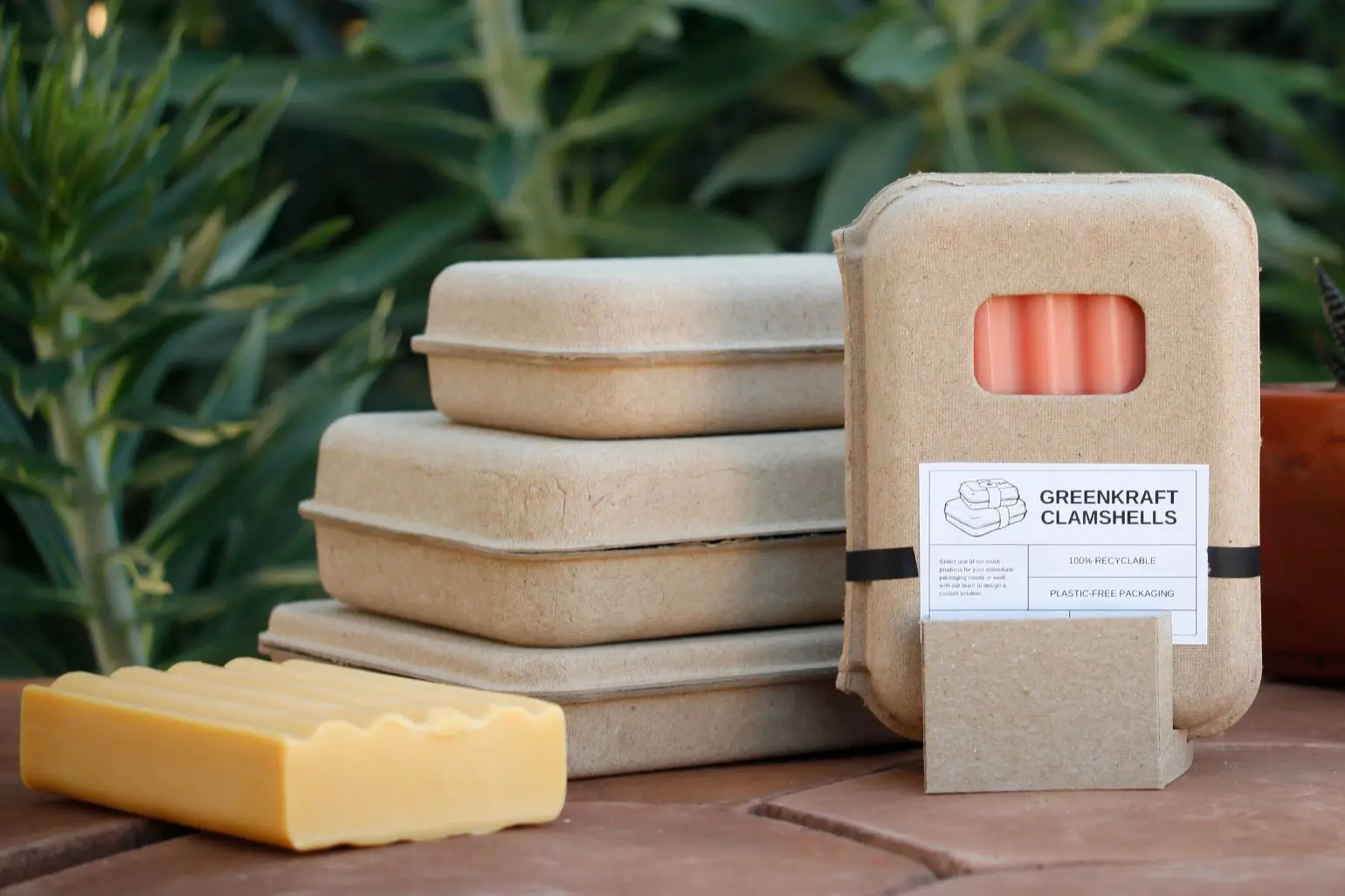
Kitchenware products compete in a market where customers have countless choices. From cookware and utensils to storage containers, serving accessories, bakeware, and kitchen gadgets, businesses need more than a quality product to make a lasting impression.
Packaging can play an important role in that process.
Custom kitchenware packaging gives brands an opportunity to protect their products while creating a recognizable visual identity. Instead of placing products inside generic boxes, businesses can design packaging around their products, brand style, target customers, and retail or e-commerce requirements.
A well-designed package can make it easier for customers to recognize a brand, understand the product, remember their purchase, and distinguish one product from another.
The most effective kitchenware packaging combines practical protection with clear branding and an appealing presentation.
What Is Custom Kitchenware Packaging?
Custom kitchenware packaging refers to boxes, cartons, sleeves, inserts, and other packaging solutions designed specifically for kitchen-related products.
Kitchenware products can vary considerably in size, weight, shape, and fragility, so packaging needs to be designed according to the individual product.
Common examples include packaging for:
- Cooking utensils
- Kitchen tools
- Cookware
- Bakeware
- Plates
- Bowls
- Cups
- Mugs
- Storage containers
- Cutting boards
- Kitchen gadgets
- Serving accessories
- Measuring tools
- Specialty kitchen products
Custom packaging can include branded printing, custom dimensions, protective inserts, windows, unique structures, and specialty finishing.
Why Brand Recognition Matters for Kitchenware Businesses
Brand recognition helps customers identify a business based on its visual identity and previous experiences.
When packaging consistently uses recognizable design elements, customers may begin associating those elements with a particular brand.
These elements can include:
- Logo
- Colors
- Typography
- Patterns
- Product photography
- Illustrations
- Packaging structure
- Taglines
- Icons
Custom packaging gives businesses a physical space to reinforce these elements.
Over time, consistent packaging can help create a stronger connection between the product and the brand.
Custom Kitchenware Packaging Creates a Consistent Brand Identity
Consistency is one of the most important elements of recognizable packaging.
If every product uses completely different colors, fonts, layouts, and visual styles, customers may have difficulty identifying the products as part of the same brand.
A better approach is to create a consistent packaging system.
For example, a kitchenware brand might maintain the same:
- Logo position
- Typography
- Color palette
- Information hierarchy
- Product photography style
- Design elements
Individual products can still have their own colors or graphics while remaining visually connected to the overall brand.
Custom Packaging Helps Products Stand Out on Retail Shelves
Retail environments can be highly competitive.
Kitchenware products may be displayed next to similar products from several competing brands.
Generic packaging can make it difficult for a product to stand out.
Custom kitchenware boxes can use:
- Strong color contrast
- Clear product photography
- Distinctive typography
- Custom illustrations
- Unique structures
- Window designs
- Branded patterns
These elements can make packaging easier to notice from a distance.
However, shelf appeal shouldn't come at the expense of readability. Customers should quickly understand what the product is and why it may be relevant to them.
Product Photography Can Strengthen Recognition
Kitchenware products are often highly visual.
Customers may want to see the product's shape, finish, size, or intended use before purchasing.
High-quality product photography can therefore become an important part of packaging design.
A product image can help customers quickly identify what is inside the box.
Brands can also maintain a consistent photography style across their product range, creating a recognizable visual system.
Custom Kitchenware Packaging Communicates Product Information
Packaging can provide customers with important information before they purchase the product.
Depending on the product, packaging may communicate:
- Product name
- Size
- Quantity
- Material
- Main features
- Dimensions
- Usage information
- Care instructions
- Compatibility
- Brand information
A clear information hierarchy makes this content easier to understand.
The front panel should generally communicate the most important information, while side and back panels can provide additional details.
Packaging Can Reflect a Brand's Personality
Different kitchenware brands target different audiences.
One company might focus on professional cooking products, while another may target families, home cooks, design-conscious customers, or younger shoppers.
Packaging can reflect that positioning.
For example:
Minimalist Branding
Simple layouts, neutral colors, and clean typography can create a modern appearance.
Premium Branding
Specialty materials, rigid boxes, embossing, foil details, and carefully designed inserts can support a luxury presentation.
Playful Branding
Bright colors, illustrations, and creative graphics may work well for brands targeting a more playful audience.
The packaging should match the personality customers can expect from the product itself.
Custom Packaging Helps Protect Kitchenware Products
Brand recognition is important, but kitchenware packaging also needs to perform its basic protective function.
Some kitchen products are fragile, while others are heavy or have unusual shapes.
Packaging may need to protect against:
- Scratches
- Surface damage
- Impact
- Movement
- Pressure
- Dust
- Handling during transportation
Custom dimensions and inserts can help keep products properly positioned inside the package.
For fragile kitchenware, internal protection becomes particularly important.
Use Custom Inserts for Better Product Organization
Inserts can provide additional support while making the package more organized.
They may be useful for:
- Glassware
- Ceramic products
- Multi-piece sets
- Kitchen gadgets
- Utensil collections
- Cookware accessories
Possible insert materials include:
- Paperboard
- Corrugated board
- Molded fiber
- Foam
- Other suitable protective materials
The insert should be designed around the actual product rather than added as an afterthought.
Packaging Can Make Kitchenware Sets More Appealing
Kitchenware is often sold in sets.
A package may contain:
- Multiple utensils
- Measuring cups
- Serving tools
- Dinnerware pieces
- Cooking accessories
- Storage containers
Custom packaging can give every component a designated position.
When customers open the box, the products can appear organized rather than randomly packed.
This can improve the perceived value of the set and contribute to a better unboxing experience.
Custom Kitchenware Boxes Improve the Unboxing Experience
The customer experience doesn't end when someone receives the product.
Opening the packaging is part of the overall purchase experience.
A well-designed kitchenware package can include:
- Easy-open flaps
- Organized inserts
- Printed interior panels
- Thank-you messages
- Product information
- Care instructions
- Brand messaging
For e-commerce brands, this experience can be especially important because packaging may be the first physical interaction customers have with the brand after ordering online.
Custom Packaging Supports E-Commerce Branding
Online kitchenware businesses don't have a physical shelf where customers can see their products before purchasing.
Packaging becomes an important physical representation of the brand after delivery.
A custom box can reinforce brand recognition through:
- Consistent colors
- Logo placement
- Branded exterior graphics
- Printed messages
- Product information
- Custom inserts
The package can also become part of customer-generated content when customers share unboxing photos or videos.
Use Packaging Windows to Improve Product Visibility
A packaging window can allow customers to see part of the product without opening the box.
This can be useful for visually appealing kitchenware such as:
- Utensils
- Mugs
- Serving accessories
- Small kitchen gadgets
- Decorative kitchen products
Windows can also help customers confirm the product's appearance before purchase.
However, the window design should not compromise the structural strength of the package or interfere with important branding and product information.
Choose Materials That Match the Product
Kitchenware packaging should use a material appropriate for the product's weight, size, and protection requirements.
Paperboard
Paperboard can work well for lightweight kitchen products and retail cartons.
Kraft Board
Kraft can provide a natural, simple appearance and may suit brands with a minimalist visual identity.
Corrugated Board
Corrugated packaging can provide additional structural support for products that require stronger shipping protection.
Rigid Board
Rigid packaging can provide a premium presentation for high-end kitchenware, gift sets, and specialty products.
The material should always be selected according to the product rather than appearance alone.
Use Color to Build Brand Recognition
Color can become one of the strongest visual identifiers for a brand.
A consistent color palette can help customers recognize products across:
- Retail shelves
- Online stores
- Product photography
- Social media
- E-commerce deliveries
However, brands should avoid relying on color alone.
Combining color with consistent typography, logo placement, graphics, and packaging structure creates a stronger overall identity.
Typography Should Remain Clear
Typography is another important part of packaging recognition.
A consistent font system can help create continuity across an entire product range.
At the same time, text needs to remain readable.
Avoid:
- Extremely small text
- Low contrast
- Excessive fonts
- Overcrowded layouts
- Decorative fonts for important information
The product name and key information should be easy to locate.
Create Packaging for Different Kitchenware Products
One kitchenware business may sell dozens of products.
Instead of creating completely unrelated packaging for every item, businesses can develop a flexible packaging system.
For example, the same basic design framework can be used for:
- Cooking tools
- Utensils
- Bakeware
- Storage products
- Serving products
Product-specific information can change while the core brand identity remains consistent.
This approach can make the overall product collection look more professional.
Custom Kitchenware Packaging Can Support Premium Positioning
Packaging can influence how customers perceive product value.
A premium kitchenware product may benefit from:
- Rigid boxes
- Custom inserts
- Specialty papers
- Embossed logos
- Foil details
- Matte finishes
- Magnetic closures
However, premium packaging doesn't necessarily mean adding every available finishing technique.
The best premium designs often use a limited number of carefully selected elements.
Add Finishes Strategically
Finishing techniques can add visual and tactile interest.
Popular options include:
Matte Coating
Matte finishes can create a smooth and understated appearance.
Gloss Coating
Gloss can produce a brighter, polished look.
Spot UV
Spot UV can highlight logos, patterns, or selected graphics.
Embossing
Embossing creates raised elements that can add a tactile quality.
Foil Stamping
Foil can emphasize logos, product names, or selected decorative details.
Finishes should support the brand's visual identity rather than make the packaging unnecessarily complicated.
Consider Sustainable Kitchenware Packaging
Many kitchenware brands are exploring packaging materials and structures that reduce unnecessary waste.
Potential options include:
- Recycled paperboard
- Kraft paperboard
- Corrugated fiberboard
- Molded fiber inserts
- Recyclable paper-based structures
However, environmental performance depends on the complete packaging design.
Coatings, adhesives, mixed materials, transportation, durability, reuse, and local recycling infrastructure can all affect the outcome.
A useful starting point is to avoid unnecessary packaging material and design the box around the actual product.
Design Packaging for Shipping
Kitchenware products can experience significant handling during transportation, particularly when sold online.
E-commerce packaging should consider:
- Product weight
- Box strength
- Internal movement
- Impact protection
- Closure strength
- Shipping dimensions
- Outer packaging requirements
Fragile products may need additional internal protection or a protective shipping box.
The final packaging should be tested under realistic handling conditions before large-scale production.
How Custom Kitchenware Packaging Builds Brand Recognition
A strong packaging strategy connects several elements together.
Consistent Visual Identity
Customers see the same brand elements across different products.
Distinctive Design
Unique colors, graphics, structures, or finishes help differentiate the package.
Clear Product Communication
Customers quickly understand the product and brand.
Memorable Unboxing
The physical experience reinforces the brand after purchase.
Product Family Consistency
Multiple products appear connected even when their designs vary.
Together, these factors can help create stronger brand recognition over time.
How to Design Custom Kitchenware Packaging Step by Step
Step 1: Understand the Product
Identify the product's dimensions, weight, shape, and protection requirements.
Step 2: Define Your Brand Identity
Establish your logo, colors, typography, visual style, and brand personality.
Step 3: Identify Your Target Customer
Determine what type of packaging will appeal to your intended audience.
Step 4: Choose the Box Structure
Select a folding carton, mailer, rigid box, sleeve, or another appropriate structure.
Step 5: Select the Material
Choose a material based on product protection, presentation, and distribution requirements.
Step 6: Plan Internal Protection
Add inserts, dividers, or other support if necessary.
Step 7: Create the Artwork
Develop the packaging graphics, product images, branding, and information.
Step 8: Establish a Consistent Layout
Make sure the design can work across multiple products in your range.
Step 9: Select Finishes
Choose only the finishing techniques that support your desired appearance.
Step 10: Create a Prototype
Produce a physical sample before placing a large production order.
Step 11: Test the Packaging
Check fit, protection, opening, printing, stacking, and shipping performance.
Step 12: Finalize Production
Once the package performs correctly, approve the final artwork and manufacturing specifications.
Common Mistakes With Custom Kitchenware Packaging
Using Generic Packaging
Generic boxes can make products look less distinctive and provide fewer opportunities for brand recognition.
Choosing the Wrong Size
A box that is too large can allow movement, while one that is too small may put pressure on the product.
Ignoring Product Weight
Heavy kitchenware may require stronger packaging structures.
Overloading the Design
Too many graphics, colors, and messages can make the package difficult to understand.
Inconsistent Branding
Using different logos, fonts, and colors across products can weaken brand recognition.
Skipping Prototype Testing
A digital mockup cannot always reveal structural or fitting problems.
Ignoring E-Commerce Requirements
Retail packaging may require additional protection when used for direct shipping.
Adding Unnecessary Finishes
Finishes should have a clear design purpose instead of being added simply because they are available.
Benefits of Custom Kitchenware Packaging
Well-designed packaging can provide several benefits for kitchenware businesses.
Stronger Brand Recognition
Consistent packaging makes products easier to associate with the brand.
Better Product Protection
Custom structures and inserts can provide appropriate support.
Improved Shelf Appeal
Distinctive packaging can help products stand out in retail environments.
Better Product Communication
Clear packaging makes important information easier to understand.
Improved Unboxing
Organized interiors can create a more professional customer experience.
Better Product Differentiation
Custom designs can help separate products from competing kitchenware brands.
Stronger E-Commerce Presentation
Branded packaging provides a physical representation of an online business.
More Consistent Product Collections
A unified packaging system can make an entire product range look more professional.
Frequently Asked Questions
1. What is custom kitchenware packaging?
Custom kitchenware packaging is packaging specifically designed for kitchen products based on their dimensions, protection requirements, branding, and distribution method.
2. How does custom packaging improve brand recognition?
Consistent logos, colors, typography, graphics, structures, and packaging styles can make products easier for customers to recognize and associate with a particular brand.
3. What products can use custom kitchenware boxes?
Custom boxes can be designed for cookware, utensils, kitchen gadgets, mugs, storage products, bakeware, serving accessories, dinnerware, and many other kitchen products.
4. Can custom kitchenware packaging protect fragile products?
Yes. Appropriate materials, box structures, inserts, dividers, and internal support can help protect fragile kitchenware during handling and transportation.
5. Are custom kitchenware boxes suitable for e-commerce?
Yes. They can be designed for direct shipping while incorporating branding and product protection.
6. Can kitchenware packaging include windows?
Yes. Packaging windows can provide product visibility and may be useful for products where appearance is an important selling point.
7. What material is best for kitchenware packaging?
The best material depends on the product's size, weight, fragility, shipping requirements, and desired presentation. Paperboard, kraft, corrugated board, and rigid board can all be suitable for different applications.
8. Can custom packaging make kitchenware products look more premium?
Yes. High-quality materials, custom inserts, clean design, specialty finishes, and appropriate box structures can contribute to a premium presentation.
9. Is sustainable kitchenware packaging possible?
Yes. Businesses can explore recycled and recyclable paper-based materials, efficient box sizing, and reduced material use. However, the complete packaging construction and local recycling conditions should be considered.
10. Should I test custom kitchenware packaging before mass production?
Yes. A physical prototype allows businesses to evaluate product fit, protection, structural performance, printing, and overall presentation before committing to a larger production run.
Conclusion
Custom kitchenware packaging can play a valuable role in building stronger brand recognition while protecting products and improving their presentation.
A recognizable package doesn't happen simply because a logo is printed on a box. Strong brand recognition comes from consistently using visual elements such as colors, typography, graphics, product photography, packaging structures, and messaging across the product range.
At the same time, packaging needs to perform its practical role. Kitchenware products can vary significantly in size, weight, and fragility, so the box should be designed around the actual product and its distribution requirements.
For retail brands, custom packaging can improve shelf appeal and product communication. For e-commerce businesses, branded packaging can strengthen the customer experience after delivery and create a more memorable unboxing moment.
The most effective approach is to balance brand recognition, product protection, functionality, presentation, and cost. With thoughtful design, appropriate materials, custom inserts, and prototype testing, businesses can create kitchenware packaging that not only protects their products but also helps customers remember the brand behind them.

 English
 Russian